
Berlin has an extraordinary reputation for electronic music, independent labels, experimental performance and late-night culture. But moving there as a musician is not the same as visiting for a weekend. You need somewhere to live, a place to make music, a realistic income plan and a way into the local scene. This guide looks at the practical side of relocating to Berlin as an independent artist — from neighbourhoods and rehearsal rooms to networking, work administration and the realities behind the city’s creative reputation.
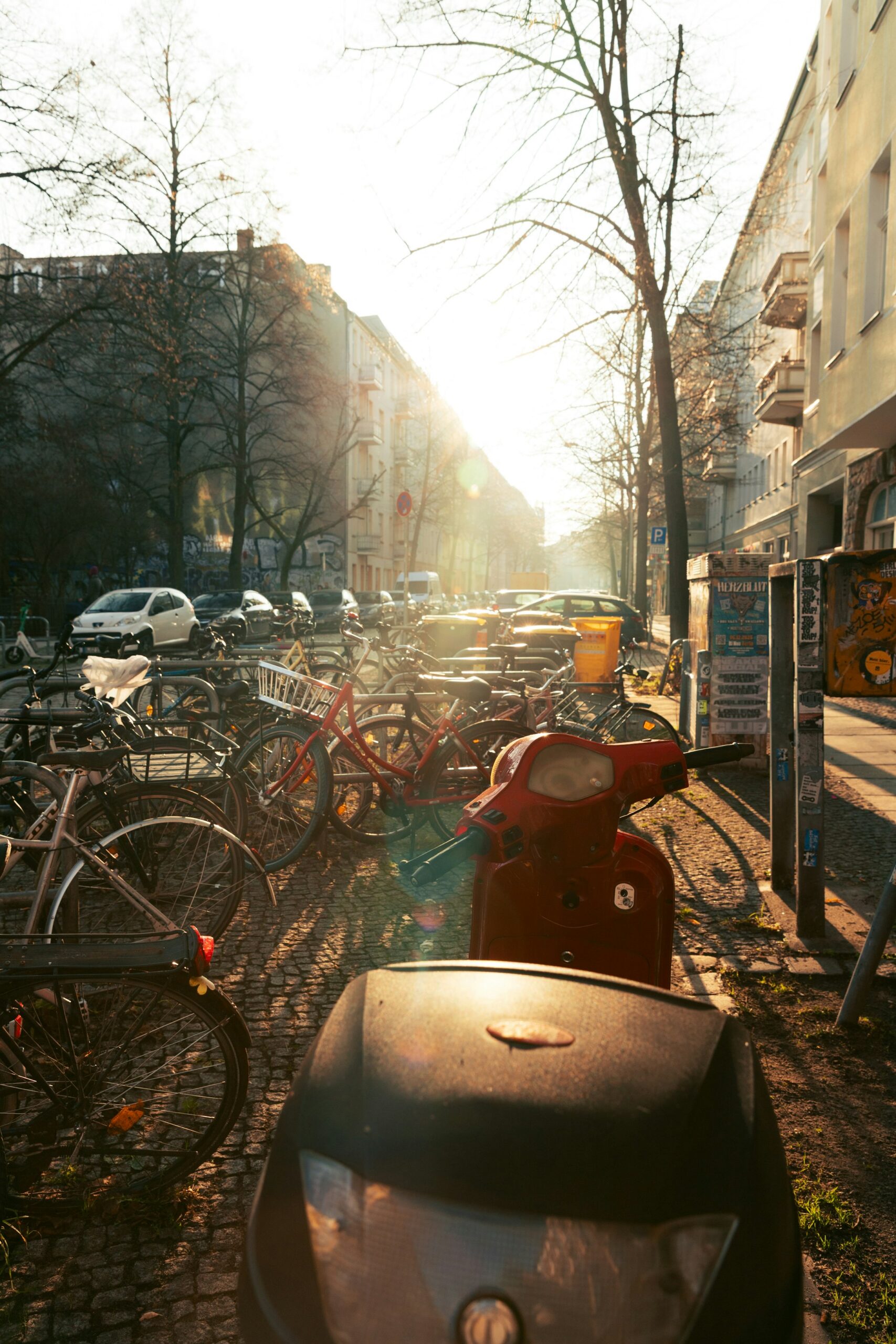
Is Berlin still a good city for independent musicians?
Berlin remains a major centre for electronic music, experimental culture and independent creative work. Its strengths include a large international community, specialist clubs, independent labels, studios, rehearsal spaces, music-technology meetups and artist-run projects. You can find people working across techno, house, ambient, sound art, jazz, hip-hop, punk and contemporary composition.
The important distinction is between a city that has a strong music culture and a city that automatically creates a career. Berlin has competition, rising housing costs and pressure on creative workspaces. The scene rewards people who participate consistently, develop relationships and contribute to local projects. Moving there without a plan can become expensive very quickly.
Choose a neighbourhood that supports your working life
Berlin is large, and the best neighbourhood depends on your budget, transport needs and the kind of music community you want to be near. These are starting points rather than fixed rules:
- Kreuzberg: central to many independent venues, bars, collectives and electronic music communities. It is convenient for nights out and meeting people, but housing can be competitive.
- Neukölln: a varied neighbourhood with a large international population, creative spaces, bars and music-led events. It can be useful for people who want a lively local network, but prices and conditions vary by street.
- Friedrichshain: close to many clubs, studios and creative spaces around the RAW area, with good transport links and a strong electronic music identity.
- Wedding: a useful option for people interested in experimental music, artist-run spaces and a more residential feel. It is also home to venues and communities such as Panke and several listening spaces.
- Lichtenberg and Marzahn: further from the central nightlife districts, but important for larger rehearsal-room complexes and workspaces. If you need a band room or equipment storage, the extra travel may be worthwhile.
- Moabit and Mitte: can be useful for access to central cultural organisations and workspaces, although residential costs and availability need to be checked carefully.
Do not choose a flat based only on the nightlife map. Think about the journey to your studio or rehearsal room, how you will carry equipment, late-night transport and whether you can work comfortably from home.
Find a place to live before you build the music network
Housing is one of the biggest practical challenges. Competition for suitable flats can be intense, and short-term accommodation is not always a realistic long-term solution. Prepare documents before you start viewing: proof of income or savings, identification, references where available and any paperwork a landlord requests. Be cautious about deposits or transfers before you have verified the property and the person offering it.
When you find a place, check whether you can receive the documents required for residence registration. Berlin’s official Welcome Centre explains the Anmeldung process, including the registration deadline and documents. Registration is important for many administrative steps, so do not assume that a temporary sublet automatically gives you everything you need.
Make sure you understand the legal basis for your stay and whether your intended music activity is permitted. Residence and work rules depend on nationality, status and the nature of the activity. Check official German and Berlin government guidance or speak to a qualified adviser before relying on general information from other musicians.
Find a rehearsal room or production space
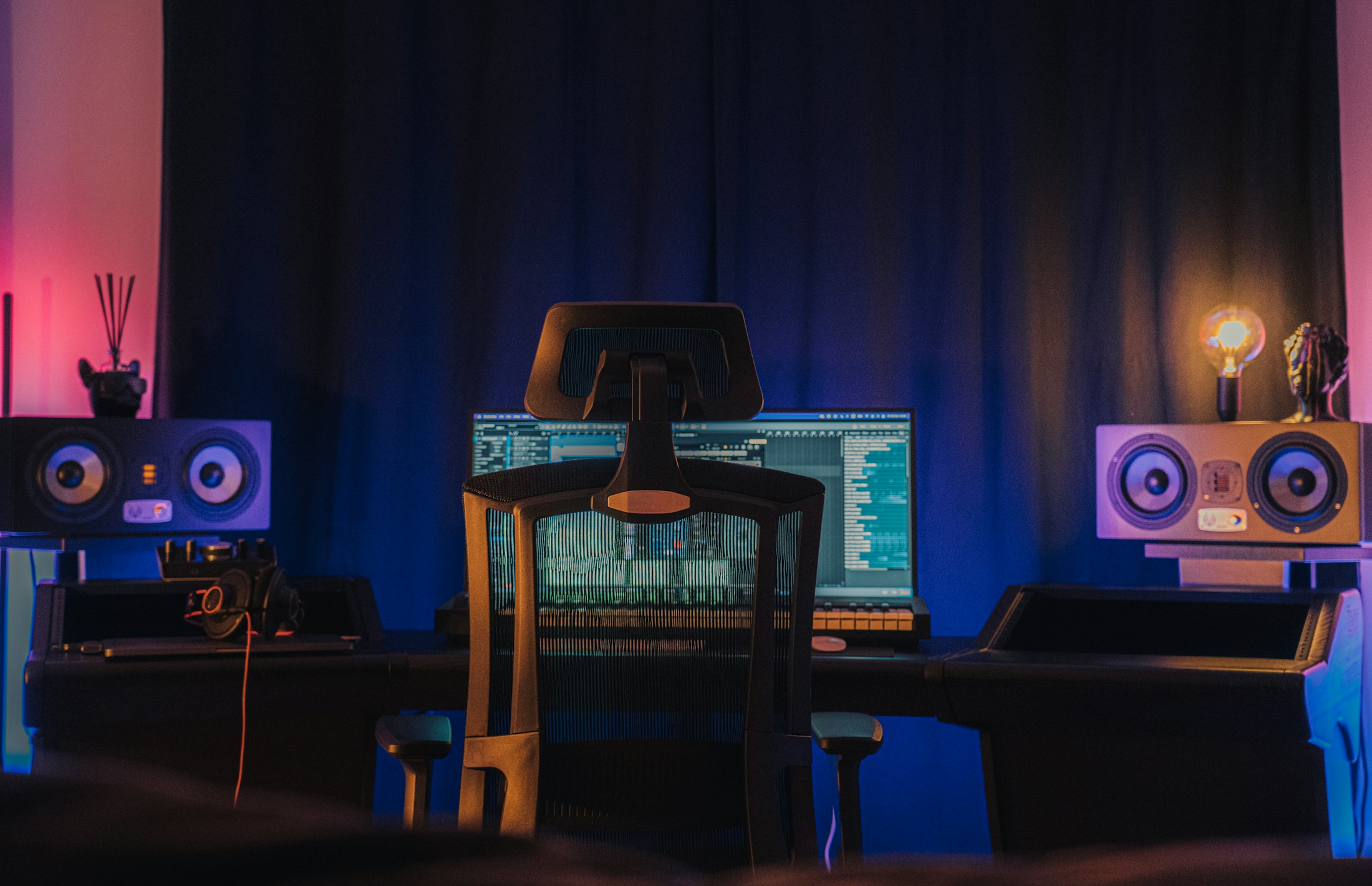
Berlin has a range of rehearsal and production options, from hourly rooms to long-term band spaces and subsidised workspaces. The supply is not unlimited, and affordable rooms can be difficult to secure. Musicboard Berlin’s rehearsal-space guide is one of the most useful official starting points.
It lists long-term options such as Berliner Rockhaus in Lichtenberg and ORWOhaus, a large self-managed rehearsal complex. For hourly rooms, it points to options including Pirate Studios, House of Music and other specialist spaces.
Kultur Räume Berlin also offers subsidised and short-term rehearsal spaces for eligible artists from the independent scene. Registration and eligibility requirements apply, and the spaces are not general-purpose commercial rehearsal rooms. Read the current conditions before applying.
Understand the music scene before you try to enter it
Berlin’s music culture is not one big network. It is made up of overlapping communities: techno labels, live electronic collectives, experimental musicians, jazz players, DIY punk promoters, record shops, listening bars, studios and artist-run venues. You will make more progress by choosing a few areas that genuinely fit your sound than by trying to attend everything.
For electronic music, follow smaller promoters and labels as well as the best-known clubs. For live bands, look at independent venues such as Schokoladen and the wider network of grassroots spaces. For experimental music, explore Café OTO as a reference point for the kind of listening culture that connects artists across cities, and check Berlin’s own local calendars for similar events.
Our guide to Berlin’s best bars to meet musicians and producers covers listening bars, jazz rooms, creative spaces and music-led hangouts. For a broader look at the city’s role in electronic music, see The Best Cities for Electronic Music Producers.
Join a community before you arrive
Berlin has several routes into the local music community. Music Producers of Berlin runs producer meetups and demo-sharing sessions. Berlin MusicTech Meetup connects artists, developers and people working around music technology. Open Decks Berlin gives aspiring DJs a route into playing for an audience and meeting other DJs, producers and promoters.
Check the current event calendar and community rules before attending. Some events require registration or a specific sign-up process. You do not need to arrive with a finished release or a professional career. Showing up, listening and contributing is a better starting point than sending unsolicited messages to everyone you find online.
Understand the practical side of working as a musician
Berlin’s professional music scene includes employed and self-employed musicians, teachers, producers, performers and people working in music businesses. The distinction matters because tax, insurance and registration obligations can differ depending on the type of work and how it is organised.
The Landesmusikrat Berlin’s guide to entering the professional music market explains topics including self-employment, funding, insurance, taxes, rehearsal rooms and professional networks. It also provides information and consultation for transnational musicians. Use it as an orientation resource, not a substitute for individual legal or tax advice.
Kreativ Kultur Berlin offers free initial advice for artists and cultural workers looking for funding and project support. It can help you understand what programmes exist and where to find more detailed guidance.
Build a realistic first-six-month plan
Do not expect to arrive and immediately have a full calendar of gigs. Give yourself time to settle, learn the city and build relationships. A practical sequence might look like this:
- Month 1 — establish your base: secure accommodation, understand your registration and administrative obligations, map transport and find a workable production or rehearsal setup.
- Month 2 — explore the scene: attend a few events that fit your music, visit record shops and studios, and identify the promoters or collectives behind the nights you enjoy.
- Month 3 — join a community: attend a producer meetup, open-deck night, jam session or artist-run event. Return to the same places rather than constantly starting from zero.
- Month 4 — make something locally: arrange a studio session, co-write, rehearsal or small collaborative project with someone you have met.
- Month 5 — build a live opportunity: pitch a support slot, showcase or suitable local event with a clear live proposition.
- Month 6 — review the reality: compare your income, costs, creative output and network against what you expected before moving.
Do not underestimate the cost of being creative
Rent is only one part of the budget. Include transport, health insurance, equipment maintenance, rehearsal-room access, software, storage, travel to gigs, food and the time you need to work outside music. If you are self-employed, allow for taxes and periods when income is irregular. Do not assume that playing in a famous city will quickly pay for itself.
Berlin’s own music organisations have highlighted the pressure on affordable rehearsal spaces and the difficulty many independent musicians face in sustaining their work. The city’s music culture is valuable, but it depends on spaces and people that are under financial pressure. Supporting local venues and paying collaborators fairly is part of becoming a responsible member of the scene.
How to make connections without forcing them
Attend the same events, support local artists and learn the names of the people organising the nights you enjoy. Ask questions about the music rather than opening with a request for a booking or collaboration. If you meet someone whose work genuinely interests you, suggest a specific next step: a studio session, a rehearsal, a listening session or a shared bill.
Keep your introduction simple. Explain what you make, what you are working on and what kind of collaboration you are interested in. Have one good link ready, but do not turn every conversation into a pitch. The most useful relationships develop through repeated contact and shared work.
Is Berlin right for you?
Berlin can be an excellent place to develop as an independent musician if you have a realistic financial plan, a reason to be there and a willingness to become part of a local community. It is less attractive if you are moving only because of the city’s reputation or assuming that clubs, labels and promoters will automatically discover you.
Visit for more than a party weekend if possible. Spend time in the neighbourhoods where you might live, attend ordinary weeknight events, visit rehearsal spaces and talk to musicians who are already based there. If you can imagine a sustainable working life — not just an exciting nightlife — Berlin may be a good fit.
For more practical guidance, read The Best Cities for Independent Musicians to Live and Work, The Best Bars in Berlin to Meet Musicians and Producers and Where Producers Meet Other Producers.
Editorial note: city resources, venue links and administrative references reviewed in November 2026. Housing availability, funding calls and administrative rules change. Confirm current details with official Berlin and German authorities before relocating or beginning paid work.