
The best city for an electronic music producer is not necessarily the one with the most famous clubs. It is the place where you can develop your sound, meet collaborators, access equipment and studios, connect with labels and promoters, and afford enough time to make music. Some cities are built around techno and club culture; others offer stronger hardware communities, genre diversity or industry access. This guide compares the places where electronic producers can find a useful creative ecosystem — not just a famous nightlife postcode.
What should an electronic producer look for?
Electronic music is a broad field. A techno producer, a drum-and-bass artist, an ambient composer, a live modular performer and a pop producer may need very different things from a city. Before choosing a destination, compare five practical factors:
- Creative community: are there producers working in your genre, collaborative meetups, hardware groups and independent labels?
- Performance opportunities: are there smaller clubs, listening sessions, live-electronic nights, open decks and showcases that welcome emerging artists?
- Production infrastructure: are rehearsal rooms, studios, synth shops, repair technicians and shared workspaces available?
- Industry connections: can you meet promoters, labels, booking agents, festival programmers and music-technology companies?
- Financial sustainability: can you afford rent, studio access and everyday life without sacrificing all your production time?
A city can be culturally exciting and still be a poor base if the costs are unsustainable. Treat a move as a practical decision, not a career shortcut.
Berlin, Germany: the deepest underground electronic ecosystem
Berlin remains a major centre for techno, house, experimental electronics and club culture. Its importance is not limited to internationally recognised clubs such as Tresor and Berghain. The wider network includes independent labels, artist collectives, modular-synth communities, studios, listening bars and small promoters.
For producers, Berlin’s strength is the density of people working in electronic music. You can find communities around hardware, sound design, live performance and club programming. Superbooth, the synthesizer and electronic-instrument fair, is a major annual meeting point for people interested in electronic instruments and sound creation.
The challenge is competition and cost. The city is not a guaranteed route to a residency or label deal, and the housing market is no longer the bargain it once was. The best approach is to build relationships with smaller collectives and producers before chasing the most famous rooms.
Best for: techno, house, experimental electronics, modular synthesis, live hardware performance and producers who value an international underground community.
Amsterdam, Netherlands: electronic music industry and global connections
Amsterdam combines a strong dance-music culture with a substantial industry network. Labels, promoters, booking agencies, festivals and music-technology businesses operate alongside clubs and independent venues. The city’s biggest networking moment is Amsterdam Dance Event (ADE), which brings artists, labels, managers, promoters, technology companies and audiences together each October.
For a producer who wants to understand the business side of electronic music, ADE can be particularly useful. Panels, demos, showcases and informal meetings create opportunities to learn how the industry works and meet people beyond your immediate genre. The city also has active producer communities, including Amsterdam Electronic Music Production, which organises track-feedback sessions and studio-based meetups.
The main drawback is the cost of living and the difficulty of finding affordable space. Rotterdam can be a practical alternative if you want to remain connected to the Dutch music ecosystem without living in Amsterdam itself.
Best for: house, techno, dance music business, label and promoter connections, production meetups and artists who want access to ADE.
Rotterdam, Netherlands: experimental sounds and a distinct underground identity
Rotterdam has a different character from Amsterdam. Its industrial architecture, independent arts spaces and experimental culture make it attractive to producers who want to work outside the most obvious dance-music circuits. WORM is a useful point of entry for electronic music, sound art, experimental performance and cross-disciplinary projects, while Rotown connects independent music with a live audience.
Rotterdam also benefits from its connection to the wider Dutch network. Amsterdam is reachable by train, which makes it possible to attend industry events and meet contacts there while maintaining a base in a city with its own identity. Do not assume it is automatically inexpensive, however: compare actual rent, transport and studio costs before making a decision.
Best for: experimental electronics, left-field club music, sound art, interdisciplinary work and producers who prefer a smaller scene.
London, United Kingdom: genre diversity and music-business access
London’s electronic music culture spans house, techno, garage, jungle, drum and bass, dubstep, bass music, ambient and experimental electronics. The city also has a deep network of labels, publishers, studios, radio platforms, promoters and music-technology companies. For producers who work across genres or want to connect electronic production with songwriting, pop, film and media, the breadth can be valuable.
Independent communities and specialist nights are often more useful than chasing the largest clubs. Follow labels and promoters whose music matches your work, attend small events and look for track-feedback or producer meetups. The downside is the cost of living and the time it can take to travel between neighbourhoods.
Best for: producers working across multiple electronic genres, artists who need music-business access and people interested in the overlap between club music, pop and media.
Bristol, United Kingdom: bass music and collaborative underground culture
Bristol has an international reputation for bass music, trip-hop, dub, sound-system culture and experimental electronic production. Its independent venues and community networks make it a useful city for producers who want to connect club music with live instrumentation, visual art and DIY culture.
Rooms such as Exchange and The Croft are part of the grassroots live circuit, while the wider city supports record shops, independent labels and specialist promoters. Bristol is smaller than London, which can make repeated contact with the same people easier, although the housing market still needs careful budgeting.
Best for: bass, dub, jungle, experimental electronics, left-field hip-hop and producers interested in sound-system culture.
Barcelona, Spain: festival culture and creative crossovers
Barcelona offers a broad mix of electronic music, club nights, independent venues and international festival activity. Sónar and its professional programme, Sónar+D, connect electronic music with technology, art and innovation. The wider city has a year-round network of venues and collectives, making it useful for producers who like working across music, design and digital culture.
For producers, the opportunity is not just festival exposure. Smaller collectives and local promoters can provide a route into the scene, and the city’s international population creates opportunities for collaboration. The challenge is that festival season can make the scene feel more visible than it is during the rest of the year. Spend time there outside the major events before deciding whether it is a good long-term base.
Best for: electronic music, experimental pop, live audiovisual work, festival connections and producers interested in art and technology.
Detroit, United States: techno history and a producer-led identity
Detroit is essential to the history of techno, and its influence continues through labels, artists, events and the wider culture around the music. The city is a meaningful destination for producers who want to understand the roots of the genre and connect with a scene where production, DJ culture and musical history are closely linked.
Detroit’s appeal is different from Berlin’s. It is not simply a place to access a huge international club circuit; it is a city with a deep musical identity and a strong connection to the artists who developed techno. Research local events, record shops, collectives and production communities before travelling, and approach the scene with respect for its history rather than treating it as a backdrop for a career move.
Best for: techno, electro, machine-based production, underground dance music and producers interested in the genre’s history.
Tokyo, Japan: precision, equipment and a huge music culture
Tokyo offers an enormous music ecosystem, from electronic clubs and listening bars to specialist record shops, instrument retailers and live houses. For electronic producers, the city is particularly interesting because of its relationship with hardware, synthesizers, DJ equipment and detailed listening culture. Specialist shops and communities can provide inspiration beyond the club circuit.
Explore the city’s electronic venues and record culture through our Tokyo underground music guide. The main practical barriers for a longer stay are housing, language and the difficulty of entering local networks without time and cultural understanding. A short visit can be valuable, but building meaningful collaborations requires more than a weekend of clubbing.
Best for: hardware enthusiasts, techno and experimental producers, sound designers, DJs and artists interested in Japanese electronic music culture.
Lisbon and Tbilisi: smaller scenes with international reach
Lisbon has a diverse electronic music culture shaped by local promoters and connections to wider Portuguese-speaking music communities. It can be interesting for producers who want to work across electronic music, Afro-diasporic sounds and experimental club culture. However, housing costs have risen, and it should not be treated as an automatic low-cost alternative to other European cities.
Tbilisi has become internationally recognised for its electronic music scene and its strong connection between club culture, independent artists and wider cultural life. Venues such as Bassiani are part of a scene that has developed a distinct identity. For visiting producers, the best way in is through local events, independent labels and genuine relationships with artists already working there.
Choose by production style, not reputation
- Techno and house: Berlin, Amsterdam, Rotterdam and Detroit offer different kinds of club and label ecosystems.
- Bass, jungle and experimental club music: Bristol and London have deep histories and active specialist communities.
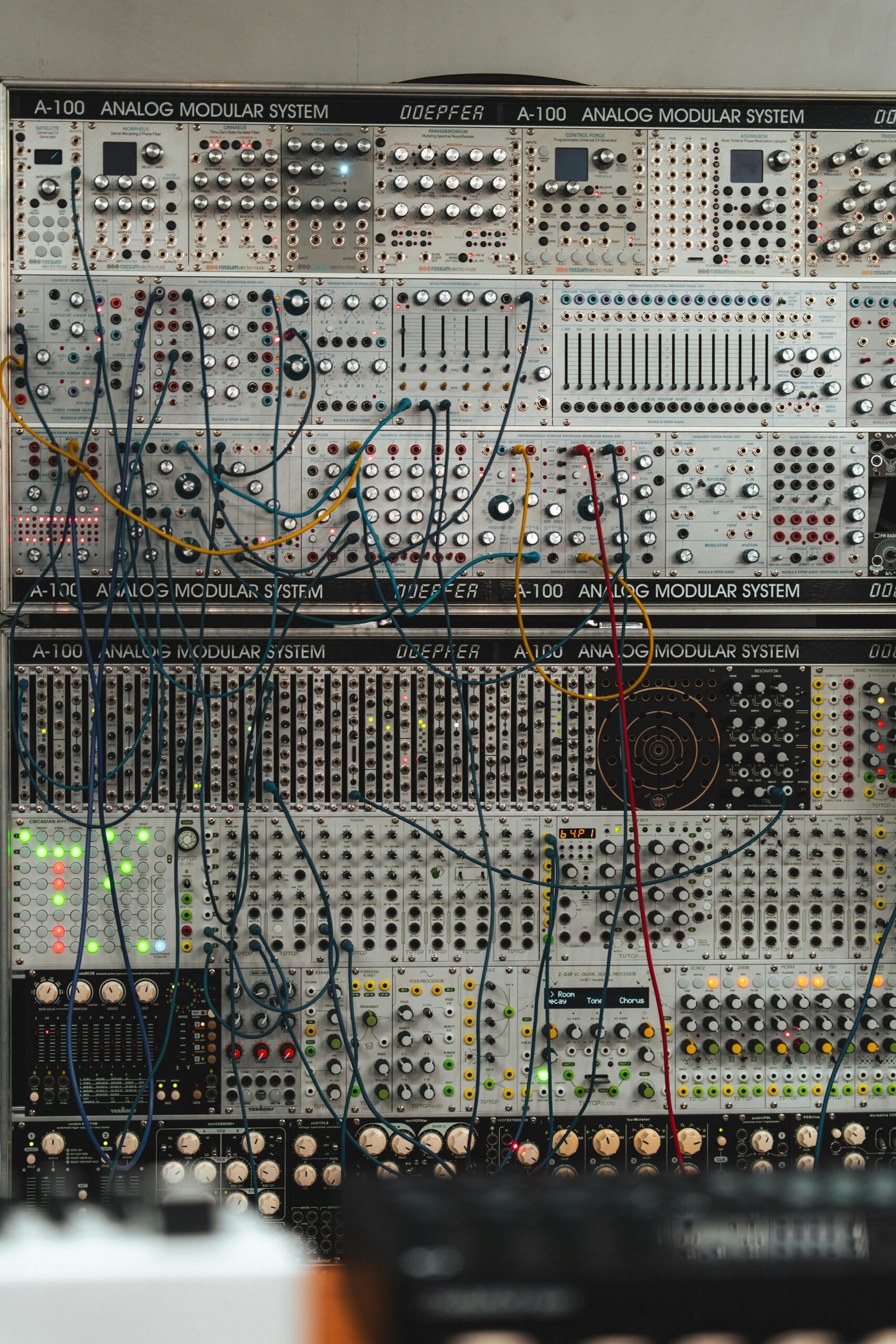
- Hardware and modular synthesis: Berlin and Tokyo are strong choices for instrument culture, workshops and sound-design communities.
- Electronic music business: Amsterdam is especially useful around ADE, while London offers a broader music-industry network.
- Audio-visual and cross-disciplinary work: Barcelona, Rotterdam and Berlin have communities that connect electronic music with art and technology.
- Independent underground scenes: Tbilisi and Lisbon offer distinctive local networks, but require time and cultural sensitivity to understand.
How to test a city before moving
Spend at least a week or two in the city if you can. Attend a producer meetup, visit a studio, go to a small club night, browse record shops and speak to people who live and work there. Look for the things you will need every week: a quiet place to produce, reliable internet, rehearsal or studio access, affordable transport and collaborators who share your interests.
Calculate the real cost of living, including rent deposits, bills, health insurance, travel, work space and the cost of maintaining your equipment. If you are relocating internationally, check official residence, tax and work rules before making plans. Do not assume that a music scene’s openness means you can automatically work or earn in a particular country.
Build your network before you arrive
Join a local producer community, follow a few labels and promoters, and identify events that happen regularly. Message organisers with a specific question rather than sending a generic introduction. If you have music to share, prepare one or two strong tracks and a short description of your sound. When you arrive, attend the event, listen to other people’s work and return if the community feels right.
Our guide to where producers meet other producers includes studio meetups, beat socials and track-feedback sessions. You can also explore Europe’s underground electronic music scenes and the best cities for independent musicians to live and work.
The right city gives you room to make better work
A famous club or a large industry conference can create opportunities, but neither guarantees a sustainable career. The best city is the one that helps you finish music, find collaborators, perform when you are ready and maintain a life outside the studio. Choose the environment that fits your sound and finances, then become part of it through consistent participation.
Editorial note: city and event references reviewed in November 2026. Club programmes, festivals, community groups and costs change; confirm current details directly with organisers and venues before travelling or relocating.