
BURNT HOUSE / MUSIC CULTURE / TOKYO GUIDE
Tokyo’s underground music scene is not one scene, one sound or even one nightlife district. It is a network of tiny live houses, basement clubs, listening bars, independent record shops, experimental spaces and communities that have been building their own musical worlds for decades. You can spend one night listening to improvised noise in a basement, the next dancing to deep techno, and the afternoon after that digging through Japanese pressings in a specialist record shop. The trick is knowing where to look.
For visitors, Tokyo can seem almost impossible to navigate. The city is enormous, the venues are often hidden above shops or below street level, and a lot of the most interesting events are promoted through local listings and social accounts rather than conventional tourist guides. This guide is designed to help you find the real music city: where to go, what you might hear, how the different neighbourhoods fit together, and how to plan a night without arriving at a closed door.
First, understand Tokyo’s live-house culture
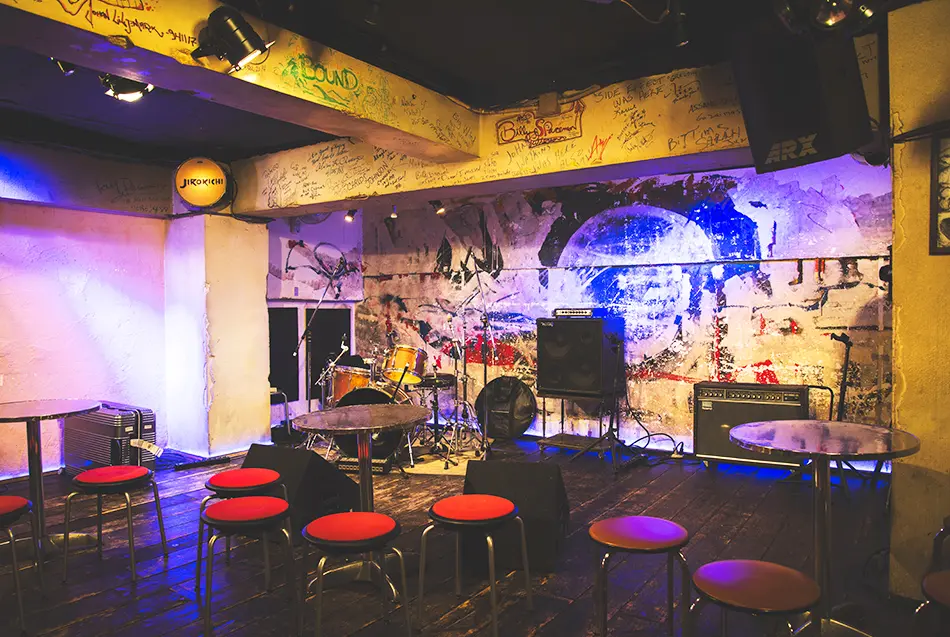
One of the most useful words to know is live house (ライブハウス). These are dedicated live-music venues, often small and frequently located in basements or on upper floors. They are not simply miniature concert halls. Many operate as independent cultural rooms with their own regular audiences, promoters, sound engineers and relationships with local bands. A venue might host several different genres across a week, while another develops a very specific identity around punk, jazz, metal, experimental music or indie rock.
The format can be different from a typical UK or European pub gig. You may buy a ticket for a particular event, pay an additional drink charge at the door, and find that the audience is there primarily to watch and listen. Some rooms have a standing floor; others have seats or tables. Some events are multi-band bills, with short changeovers and a full evening of local artists. Always check the event page for door time, performance time, ticket method, drink charge and any restrictions.
Tokyo’s underground is also much broader than guitar bands. Electronic producers, noise artists, improvisers, DJs, jazz musicians, hip-hop crews and experimental performers all have their own circuits. The city rewards curiosity: if you only visit the best-known clubs, you will miss a huge part of what makes it musically distinctive.
Koenji: punk history, independent venues and neighbourhood character
If you want to understand Tokyo’s alternative culture, start in Koenji. West of central Shinjuku, this neighbourhood has a long association with counterculture, second-hand clothing, independent shops, small bars and live music. Its musical identity developed through the alternative movements of the 1960s and the punk scenes of the 1970s and 1980s. It still feels like a place where people live inside the culture rather than simply consume it for a night out.
The official Tokyo travel guide describes Koenji as a centre of alternative subcultures and highlights its many live houses. The best approach is to arrive before the show, explore the shopping streets and side alleys, eat locally, then choose a venue based on that night’s programme. There is no single Koenji sound: the listings can move from punk and hardcore to jazz, rock, electronic music and unusual one-off events.
JIROKICHI
JIROKICHI opened in 1975 and is one of Tokyo’s long-running live houses. It is known for jazz, blues, soul, funk and adventurous live music. The room is unusually intimate: performers and audience share the same floor rather than being separated by a conventional raised stage. Its walls carry the traces of decades of performances, giving the venue a sense of history without turning it into a museum.
JIROKICHI says it presents live music every night, with doors normally opening at 18:30 and performances beginning around 19:30. The official English page lists the venue at Koenji Building B1, 2-3-4 Koenji-kita, Suginami, around two minutes from the north exit of Koenji Station. After the performance there is a bar period; check the individual event listing for ticket prices and booking instructions. The venue’s calendar is the source to trust, not an old blog post.
Koenji High, UFO Club and 20000V
Koenji High offers a more modern live-house environment, with a proper sound and lighting setup and a varied programme. It opened in 2008 and is a useful option if you want to see how the neighbourhood’s independent culture continues to develop.
UFO Club is associated with psychedelic, garage, punk and underground rock, while 20000V (also known in its current incarnation as Niman Denatsu) is a name to look for if you are interested in harder, noisier and more DIY sounds. These are not interchangeable venues: check the bill, because the atmosphere and music can change dramatically from one night to another.
Good for: punk, garage, noise, jazz, blues, soul, independent rock, experimental bills and a neighbourhood where it is easy to spend an entire evening without going near a major club.
Shimokitazawa: indie bands, small rooms and record digging
Shimokitazawa is one of Tokyo’s most useful districts for independent live music. Its compact streets are full of small venues, cafés, second-hand shops and places to eat before a show. It is particularly associated with indie rock and alternative bands, but the programme is wider than that. The area is a good choice if you want to see several local acts on one bill and experience the close relationship between Japanese bands and their audiences.
Venues to look up
- SHELTER — a well-known small venue with a long history in the Shimokitazawa live circuit. Check the current schedule for indie, rock and alternative bills.
- THREE — an intimate room that often suits people looking for independent, leftfield and emerging acts.
- BASEMENT BAR — a familiar name in the neighbourhood’s alternative live and club circuit, with mixed bills and DJ events.
- ERA, CLUB Que, Flowers Loft and LIVE HAUS — further rooms worth checking when you want to compare several different scenes in one district.
Do not choose a venue only because its name appears in a guide. In Shimokitazawa, the event is the recommendation. Look at the artists on the bill, listen to a couple of tracks, and decide whether the night fits your taste. A small room with three bands you have never heard of can be a better introduction to the local scene than a familiar international name.
Good for: indie rock, alternative bands, emerging Japanese artists, small multi-band bills, independent shops and a relaxed evening built around live music.
Shibuya: electronic music, hip-hop and the international club circuit
Shibuya is one of Tokyo’s main nightlife centres, but it contains several different musical worlds. The best-known clubs sit alongside compact DJ bars, specialist record shops, live venues and smaller rooms that concentrate on particular sounds. Maruyamacho and Dogenzaka are especially useful areas to explore, with venues tucked into buildings that can be easy to walk past if you are not looking for the sign.
WOMB
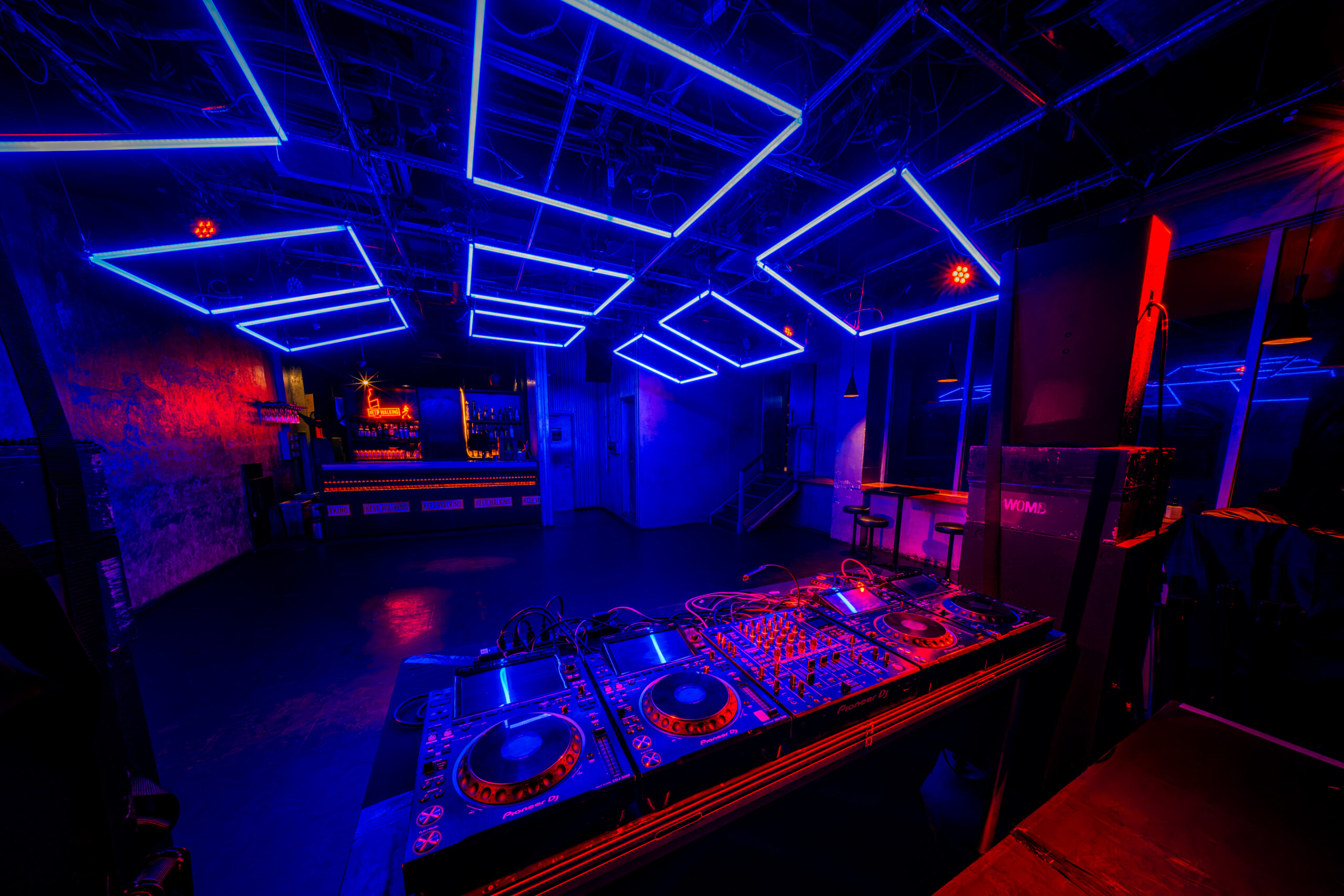
WOMB is one of Tokyo’s internationally recognised electronic music clubs. Located at 2-16 Maruyamacho, Shibuya, it is known for its multi-floor layout, large central dance space and serious electronic programme. The calendar ranges across house, techno, tech house and drum & bass, with local Japanese selectors alongside international guests.
WOMB is not an underground secret, and it is larger and more established than the tiny basement rooms elsewhere in this guide. That is part of its value: it gives visitors a way into Tokyo’s wider club network and regularly presents nights with a strong local identity. Check the official event calendar before choosing a date; the genre and crowd depend on the specific party, not just the venue name.
VENT
VENT in Minami-Aoyama is a more intimate, sound-focused club associated with house, techno and minimal electronic music. It is a useful choice if the quality of the sound system and the musical direction matter more to you than a huge room or spectacle. Read the lineup before going, as the night is defined by the artists and promoter.
ENTER, Circus Tokyo and OATH
ENTER is a compact electronic club in Jingumae, with a programme that moves through house, techno and related dance sounds. CIRCUS Tokyo is another small, music-led room in Shibuya, known for underground-leaning electronic nights and a varied programme. OATH, in Dogenzaka, is a small DJ bar and late-night meeting point for people interested in house, disco and techno. These intimate spaces can be more revealing than a big club if you want to see how local DJs and promoters work.
Good for: house, techno, minimal, bass music, drum & bass, international DJ bookings and a mix of established clubs and smaller rooms.
Hatagaya and the experimental underground: FORESTLIMIT
For music that sits outside conventional club and live-house categories, make time for Hatagaya. The key name here is FORESTLIMIT, a small basement venue and event space associated with experimental electronics, ambient, noise, improvisation, bass music and boundary-pushing performance.
FORESTLIMIT is the kind of place where a night might combine a live electronic set, an improvised performance, a DJ and an audiovisual artist. It is not necessarily the right choice if you want a familiar club format, but it is an excellent example of the depth of Tokyo’s independent culture. Check the event description carefully, because the format can vary from seated listening to a more conventional late-night party.
Other experimental and independent spaces to keep on your radar include Ftarri in the Suidobashi area, known for contemporary and experimental music, and Ochiai Soup, which appears in Tokyo’s underground listings for unusual live and electronic events. Confirm the venue’s current schedule and access details before travelling.
Shinjuku and the wider west-side live circuit
Shinjuku is not one coherent underground scene. It is a large, complicated district with everything from major nightlife venues to small live houses, punk rooms, metal clubs, jazz spaces and specialist bars. For live music, look up Shinjuku LOFT, ANTIKNOCK, MARZ and NINE SPICES. The bills can be very different: ANTIKNOCK is particularly associated with heavier and alternative music, while the other rooms cover a broader range of independent acts and events.
Do not overlook nearby areas such as Nishi-Eifuku and Shindaita. FEVER in Shindaita is a respected live venue with a varied programme, while JAM in Nishi-Eifuku is another useful name to check. Tokyo’s live-house network extends well beyond the districts most visitors recognise.
Listening bars: Tokyo’s culture of sitting down and really hearing the music
Clubs are only one part of Tokyo’s musical identity. The city has a strong listening-bar culture: small rooms where records are selected and played through carefully chosen sound systems, and where the music is treated as the main event rather than background decoration. Some spaces focus on jazz, soul and older recordings; others lean into house, disco, dub or contemporary electronic music.
One important point for first-time visitors: listening bars may have a cover charge, a minimum order, limited seating or house rules about conversation and requests. These are not necessarily tourist traps; the charge often supports a small specialist business and the experience it provides. Check the rules before entering, keep your voice low if the room is listening-focused, and do not assume that every bar wants a group of people chatting over the records.
Places to explore
- BIG LOVE Records in Jingumae is an independent record shop with a bar element and a focus on new imported records, including indie, alternative and electronic releases. It is a good stop for discovering labels and artists you may not encounter at home.
- CITY COUNTRY CITY in Shimokitazawa combines a record shop and café/bar atmosphere, making it a useful daytime stop as well as a place to listen and browse.
- OATH in Shibuya is worth considering if you want the overlap between DJ bar and late-night club culture rather than a formal listening room.
- JBS in Shibuya is a specialist jazz, blues and soul listening bar that is known for its deep record collection and music-first approach. Check current access and house rules before visiting.
For a broader list, use a current guide to Tokyo’s listening bars and verify the details directly with each venue. Some are tiny owner-run spaces; opening hours, cover charges and policies can change.
Tokyo record shops: where to dig for music
A record-shop afternoon is one of the best ways to understand Tokyo’s musical geography. The city has specialist stores for electronic music, jazz, soul, hip-hop, punk, metal, Japanese independent releases and used records. Many shops are organised by genre, and the staff can be a valuable source of recommendations if you approach them with a little context about what you like.
- Disk Union — a major independent record-retail network with specialist branches. Shinjuku and Shibuya are useful areas to explore, and individual shops focus on different genres rather than trying to stock everything.
- BIG LOVE Records — a smaller independent shop in Jingumae with an international and alternative outlook.
- JET SET — worth checking for new and independent releases across electronic, hip-hop, jazz and other styles; confirm the current Tokyo shop details before making a special trip.
- Face Records — a useful name for soul, jazz, reggae, disco and dance records.
- Manhattan Records — a Shibuya institution for hip-hop, R&B and related sounds.
One practical tip for collectors: Japanese pressings sometimes include an obi strip, the paper band wrapped around the sleeve. It can matter to collectors and affect the price, so check whether it is present and whether the record is new or used. Grading standards and descriptions vary by shop; inspect the vinyl and sleeve before buying if condition is important to you.
How to find underground events that are actually happening
The biggest mistake is relying on a static list of clubs. Tokyo’s scene moves through promoters, labels, collectives and one-off events. A venue may be active but have no event on the night you visit; another may host a special party that is only announced a few weeks beforehand. Build your search around the date you are in the city.
- Start with Resident Advisor. The Resident Advisor Tokyo guide and Tokyo event listings are useful for electronic music, club nights and promoter discovery.
- Check the venue’s own calendar. Use official event pages for WOMB, JIROKICHI, Koenji High and other venues. Third-party listings can lag behind cancellations, sold-out shows or changes to door times.
- Use live-house directories. Tokyo Gig Radar groups smaller venues by neighbourhood and genre. Treat it as a discovery tool, then confirm with the venue’s official ticket page.
- Follow promoters and local artists. Search the venue name and event series on Instagram or X. In Tokyo, social accounts can be the fastest way to find a small party or a last-minute change.
- Look at the bill, not only the headliner. Support acts and local residents are often the most interesting way into a scene. Save names, listen to their releases and follow the labels or collectives behind the night.
What does a night out cost?
There is no single Tokyo underground ticket price. A small live-house show, a local DJ bar night, a major club booking and a special international event can all have different pricing structures. Some events sell advance tickets, some take payment at the door, and some use ticket platforms that require advance registration. A live house may add a separate drink charge; a listening bar may have a cover charge or minimum order. A large club may use different prices for advance, early entry and door tickets.
For that reason, do not rely on an old price quoted in a travel article. Check the event page for the exact date and look for words such as adv (advance), door, drink charge or 1 drink. If you are unsure whether a ticket includes a drink, ask the venue before buying. Carry a payment method accepted by the venue and a little cash as a backup, especially for smaller independent spaces.
Etiquette: how to be a good guest in Tokyo’s music spaces
Tokyo’s venues are welcoming to people who are interested in the music and respectful of the room. A little preparation makes a big difference.
- Arrive with the right information. Know the venue name in Japanese if possible, the nearest station, the event start time and whether you need an advance ticket.
- Respect photography rules. Some events allow photos; others prohibit filming or ask audiences not to record performances. Follow the organiser’s instructions.
- Keep listening spaces quiet. A listening bar or an attentive live room is not the same as a loud pub. Watch the room and follow the atmosphere.
- Do not assume you can enter late. Some events have specific door policies or ticket arrangements. If you are arriving after the advertised start, check first.
- Support the artists. Buy a ticket, purchase a record or merchandise, and follow the musicians you discover. Small venues depend on audiences turning up and paying for the work.
- Plan the journey home. Tokyo trains do not run all night. Check the last train for your route before you go out, or budget for a taxi or a longer wait until services resume.
A three-day Tokyo music itinerary
If you have three days and want to experience more than one corner of the scene, this is a practical way to organise the trip. It is a framework rather than a fixed schedule: choose the events that are actually happening during your stay.
Day one: Koenji and the independent live-house circuit
Spend the afternoon exploring Koenji’s shopping streets, cafés and record shops. Check the JIROKICHI, Koenji High and UFO Club schedules and choose one event that interests you. Arrive early enough to find the venue, eat nearby and understand the ticket and drink arrangements. Stay in the neighbourhood after the show if you want to explore its small bars, but keep an eye on the last train.
Day two: Shimokitazawa by day, Shibuya by night
Browse Shimokitazawa’s independent shops and record stores, then check the live-house listings for SHELTER, THREE, BASEMENT BAR and the other nearby rooms. In the evening, move to Shibuya for a club night at WOMB, ENTER, CIRCUS Tokyo or a smaller DJ bar. Choose by lineup and musical style rather than trying to visit several places in one night.
Day three: records, listening bars and experimental music
Use the afternoon for specialist record shopping in Shibuya, Shinjuku or Jingumae. Visit a listening bar if you want a slower experience, then look at FORESTLIMIT or Ftarri for experimental programming. This final day gives you a different perspective on Tokyo: less about the obvious nightlife landmarks and more about the people, spaces and sounds that keep the city’s underground alive.
For musicians and producers: how to connect with the scene
If you make music yourself, Tokyo can be inspiring, but it is not a place where you should expect to arrive and immediately find collaborators. The most useful approach is to spend time in the rooms that genuinely match your interests. Attend a night, listen carefully, follow the artists and promoters, buy releases, and return if you can. Familiarity and genuine curiosity matter more than handing out links to your music at every opportunity.
For producers, the city offers a remarkable range of listening experiences: carefully tuned club systems, intimate jazz rooms, experimental electronics, live bands and specialist record shops. Pay attention to arrangement, dynamics, low-frequency translation, room acoustics and how different audiences respond to music. Take notes about what you hear, but respect the fact that a local scene is a community, not a resource to strip-mine for content.
If you are hoping to perform, research each venue’s booking route. Some live houses work with promoters and event organisers; others accept enquiries or have specific booking procedures. A cold message to a venue with no context is unlikely to be effective. Find the promoter responsible for a night that suits your sound, understand the event format, and send a concise introduction with music, live footage if available, and a clear explanation of why you fit the bill. Do not assume that an open mic or walk-in performance opportunity exists unless the event explicitly advertises one.
For more ideas on building genuine creative relationships, read our guide to meeting musicians and finding collaborators, and our wider guide to the world’s great music cities. If you are planning a trip around industry events as well as gigs, see our guide to music festivals, showcases and conferences.
Useful Tokyo music links
- GO TOKYO: Koenji, the capital of underground culture — neighbourhood background and local music context.
- GO TOKYO: Explore Koenji’s live music scene — JIROKICHI, Koenji High and Sub Store Tokyo.
- Resident Advisor: Tokyo guide — clubs, electronic music and event discovery.
- Resident Advisor: Tokyo events — current club listings.
- Tokyo Gig Radar — independent live-house venues and schedules.
- Music in Japan: live houses across Japan — a useful independent venue directory.
Tokyo is best discovered one room at a time
The most rewarding way to experience Tokyo’s underground music culture is to stop thinking of it as a checklist. Koenji’s punk and alternative history, Shimokitazawa’s independent bands, Shibuya’s electronic clubs, Hatagaya’s experimental spaces and the city’s listening bars all offer different ways into the same enormous musical ecosystem.
Pick a neighbourhood, find a night that genuinely interests you, and give yourself time to listen. You might leave with a new favourite artist, a record you would never have found at home, or a better understanding of how a city builds a music culture that belongs to the people who keep showing up.
Editorial note: Venue programmes, ticket prices, opening hours and entry rules change. This guide was checked against venue and event resources in November 2026. Always confirm the specific event with the organiser before travelling.