
DJs, promoters and artists rarely build a working network through one big introduction. Most connections happen through repeated nights, shared bills, open-deck sessions, label showcases, studio events and the smaller gatherings around music conferences. If you want to meet the people who organise nights, book artists, run labels or build local scenes, you need to know where they spend time — and how to approach them without making every conversation feel like a pitch.
Start with the local scene, not the biggest names
It is tempting to focus on major festivals, famous clubs and established promoters. They matter, but the most accessible relationships often begin with local collectives and recurring nights. A promoter who runs a monthly 100-capacity event may be far more relevant to an emerging artist than a major festival buyer who receives thousands of submissions.
Look for the people behind the events you genuinely enjoy. Follow the promoters, collectives and labels that book music similar to yours. Attend their nights, support the artists on the bill and learn how the scene works. When you become a familiar face, conversations happen more naturally.
Open-deck nights: a practical first step for DJs
Open Decks Berlin
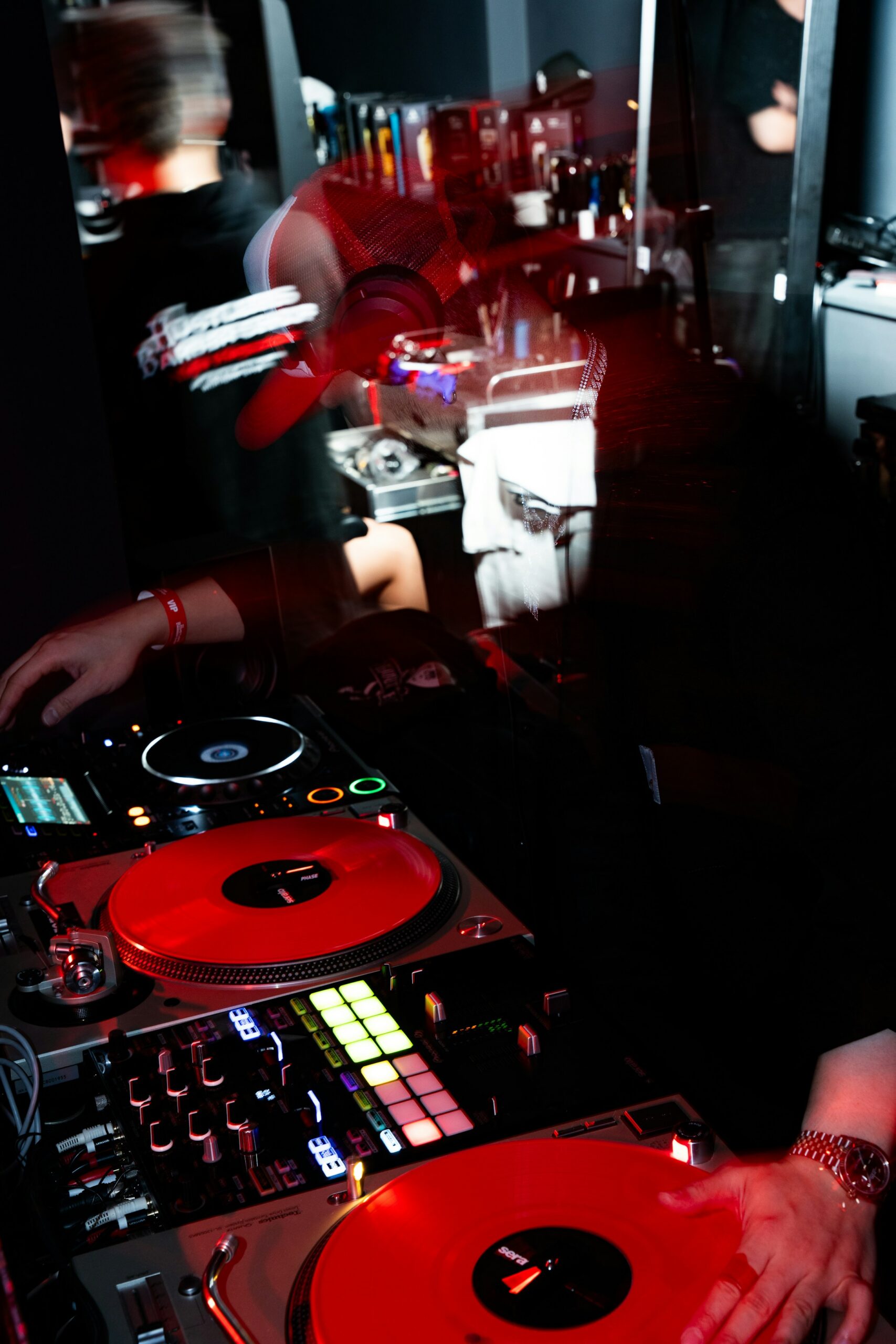
Open Decks Berlin gives aspiring DJs the chance to play for a real audience and meet other DJs, producers and promoters. The community runs different slot formats, including raffle-based short sets and longer slots for residents. It also hosts dedicated FLINTA* events. The organisers publish practical USB and Rekordbox preparation advice, which makes it a useful starting point for DJs who have not played outside their bedroom before.
Check the current event page and community channels for the next date and sign-up rules. Arrive early, prepare your USB correctly and be ready to play a short set. Do not assume an open-deck slot is a booking or a promise of future work; it is an opportunity to participate and meet people.
Open decks and community nights in other cities
Many cities have informal DJ sessions hosted by bars, record shops, studios and local collectives. Search for “open decks”, “DJ social”, “vinyl night”, “producer social” and “label showcase” alongside the city name. Follow the organisers directly because these events can be irregular and may not appear in conventional club listings.
For producers who do not DJ, look for beat socials, listening sessions, demo drops and track-feedback events. Our guide to where producers meet other producers covers studio meetups and producer communities in Berlin, Amsterdam and London.
Electronic music conferences: meet the industry in one place
Amsterdam Dance Event (ADE) — Amsterdam
ADE is one of the most concentrated meeting points for the global electronic music industry. Its programme combines club events, showcases, panels, artist sessions and professional networking. ADE Pro includes curated meetups, matchmaking and business hubs, while ADE Lab is aimed at emerging artists, DJs, producers and music-technology communities.
The event’s own programme has included sessions where attendees can meet event organisers and promoters, as well as label and A&R networking formats. These are much more useful than simply collecting business cards because they provide a structured reason to speak to people who work in the areas you are interested in.
How to use it: research the programme in advance, identify a small number of relevant sessions, prepare a concise introduction and request meetings through the official networking tools where available. Do not arrive with a generic pitch for everyone you meet.
Reeperbahn Festival — Hamburg
Reeperbahn Festival combines live showcases with a music-industry conference. Its programme spans recorded music, live entertainment, publishing, media, technology and wider music culture. For electronic artists, its TRACK ID focus has included discussions about club culture, community building, music rights and sustainable club funding, alongside meetups and club nights.
It is a useful event for artists and promoters who want to understand how the independent music ecosystem works beyond one genre or one city. The live programme is also a way to discover emerging artists and see how showcase bills are put together.
BIME — Bilbao
BIME brings together artists, managers, labels, promoters, booking professionals and music-technology people through talks, showcases and networking activity. It is particularly relevant for artists interested in the Spanish and wider Latin American markets, while its professional programme reaches across the independent music business.
As with any conference, the value depends on preparation. Identify the people and sessions relevant to your next step, attend showcases and follow up with the contacts you genuinely connect with. A short, specific conversation is more valuable than trying to meet everyone in the building.
Sónar+D — Barcelona
Sónar+D connects electronic music with technology, creativity and digital culture. It can be useful for producers, audiovisual artists, sound designers and people building tools or projects around music. The emphasis is broader than booking DJs: it is a place to meet artists and innovators working across music, technology and creative practice.
ESNS — Groningen
Eurosonic Noorderslag (ESNS) is a European showcase festival and music conference with a strong focus on emerging talent. It is relevant for artists seeking international live opportunities and for promoters, agents and industry professionals looking for new acts. The showcase format means that preparation and a clear live proposition matter.
Promoters and collectives: the people behind the nights
Promoters are often the bridge between an artist and a venue. They develop a night, choose the bill, work with the room, coordinate marketing and build an audience. A local collective may also run a label, host a radio show, organise workshops or take its parties to other cities.
Instead of approaching promoters with “Can you book me?”, learn what they do. Follow their event pages, see which artists they work with and attend a night that fits your music. If you are a DJ, find out whether they run open decks or support slots. If you are a producer, look for demo sessions, label showcases or listening events. If you are an artist, identify the promoter who books the kind of live bill you want to join.
Useful discovery tools include Resident Advisor for electronic events, Songkick for live listings and RaveParty’s promoter and collective directory for a current overview of electronic music brands and organisers across several European countries. Treat directories as starting points and verify event details with the promoter.
Record shops, listening bars and studio events
Not every useful connection happens in a club. Record shops and listening bars bring together DJs, collectors, label people and music fans around a shared interest. Studio open days, equipment demonstrations and production workshops are often better places to meet engineers, producers and music-technology people.
Look for events at independent record shops, listening bars, rehearsal studios, synth stores and music schools. Some of the best opportunities are small: a label listening party, a producer demo drop, a record launch or a workshop with a local engineer.
Explore The World’s Best Listening Bars, The World’s Best Independent Record Stores and Where Producers Meet Other Producers for more places to start.
How to introduce yourself without sounding like a sales pitch
Have a simple explanation of what you do. A DJ might say what styles they play and where they are based. A producer might describe the kind of music they make and what they are currently working on. An artist might explain the live project and the sort of event that would suit it.
Keep the first conversation about the other person’s work as well. Ask what they are organising, what music they are excited about or how they became involved in the scene. If there is a genuine connection, share one useful link and suggest a specific follow-up. Avoid pushing a demo at someone who has not asked to hear it.
Make your work easy to discover
Before attending a networking event, check what someone will see if they search your name. Make sure your artist page, music link, short bio and contact details are current. Have one strong track or live video ready to share. If you are a DJ, a short mix that represents your sound is more useful than a playlist of unrelated tracks. If you are a producer, choose a finished track or a short work-in-progress that demonstrates your direction.
Do not rely on follower counts alone. A promoter wants to know whether you fit the night, whether you can perform reliably and whether you understand how to help build an audience. A label wants to hear the music and understand your artistic identity. Tailor what you share to the person you are speaking with.
Follow up properly
- Within 24–48 hours: send a short message reminding the person where you met and what you discussed.
- Share one relevant link: the track, mix, event or project you mentioned — not your entire online presence.
- Make one clear suggestion: a coffee, a studio visit, a demo exchange, a support slot or a follow-up meeting.
- Respect the response: if they are busy or do not reply, do not send repeated messages.
- Keep showing up: attend the events you enjoy, support the artists and build trust over time.
Build a network that continues after the event
A conference pass, open-deck slot or club night is only the beginning. The value comes from turning a first meeting into a relationship through shared work, mutual support and consistency. Help promote a night, share a useful contact, attend another artist’s show or collaborate on a small project. People remember those who contribute to the scene, not just those who ask for opportunities.
For more practical guidance, read Where to Meet Musicians and Find Collaborators, explore Global Music Festivals, Showcases and Conferences and see The Best Cities for Electronic Music Producers.
Editorial note: event and community references reviewed in November 2026. Conference programmes, open-deck formats and networking opportunities change annually; confirm dates, access requirements and registration details directly with organisers.