
The best record shops are more than places to buy vinyl. They are listening rooms, local archives, meeting points and unofficial music schools — places where a conversation with the person behind the counter can send you towards a record you would never have found online. From Berlin techno institution Hard Wax to Kingston reggae landmark Rockers International, these are independent and specialist stores worth building a trip around.
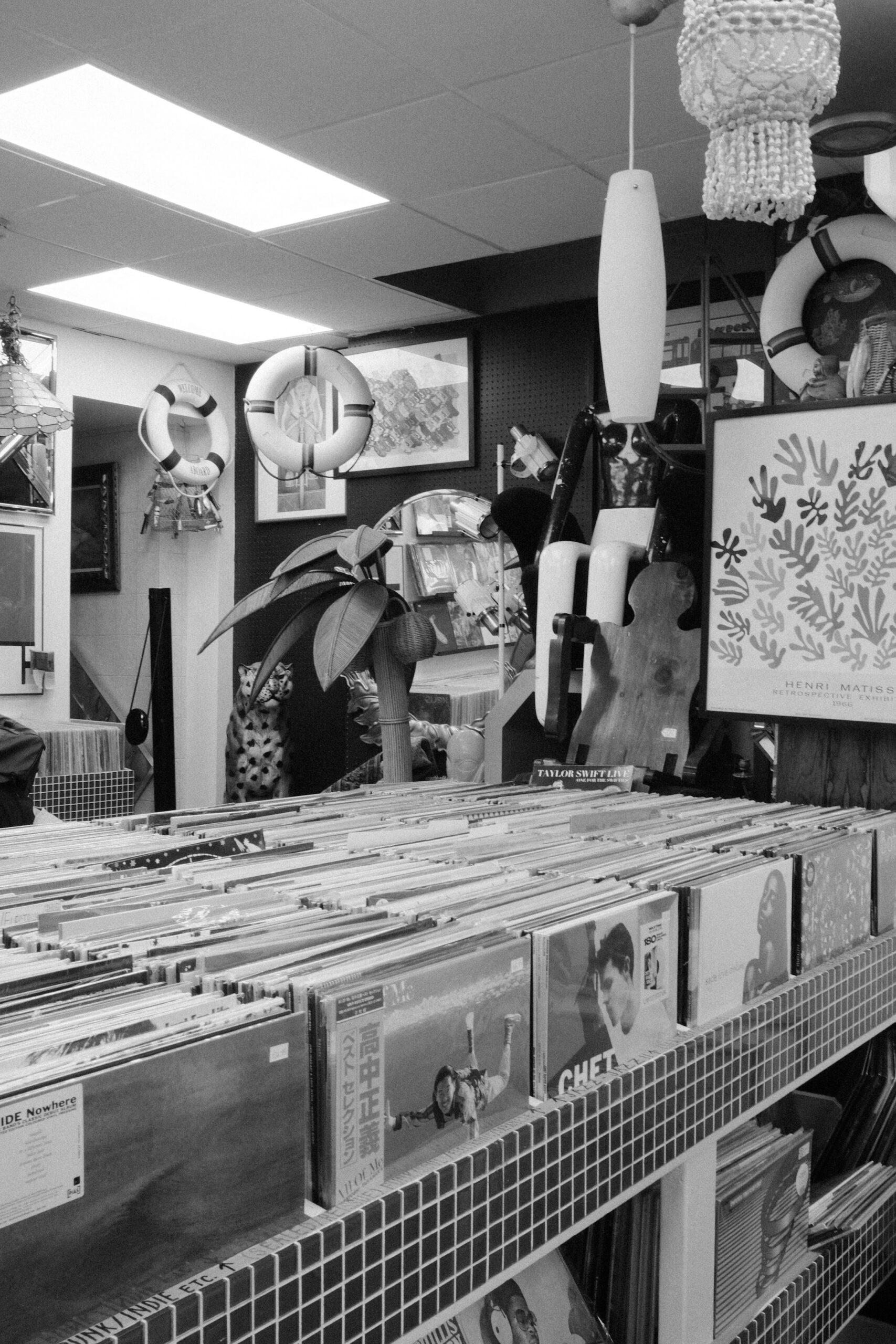
Why independent record shops still matter
Streaming is brilliant for access, but it is not the same as discovery. A recommendation system tends to work from what it already knows about you. A good record shop can interrupt that pattern. You might arrive looking for a house record and leave with a jazz reissue, a local compilation, an obscure soundtrack or a record recommended by somebody who has spent years listening beyond the obvious.
Independent shops also preserve local musical memory. Their stock reflects the city around them: the labels that mattered, the scenes that grew there, the records that travelled in from elsewhere and the sounds that never received much mainstream attention. Many support local artists, host in-store performances, buy collections, run specialist online catalogues or connect customers with DJs, promoters and labels.
This is not a definitive ranking. The stores below were selected for their character, specialist knowledge, cultural importance and usefulness to curious listeners. Opening hours, stock and ownership can change, so check each shop’s own site or social channels before making a special journey.
Europe: specialist knowledge and deep local scenes
Hard Wax — Berlin, Germany
Hard Wax is essential for anyone interested in techno, house, dub, experimental electronics and the labels that connect those worlds. Founded in 1989, it became closely associated with Berlin’s developing electronic underground and with the wider network of producers, DJs and labels around the city. Its catalogue is not simply a collection of dance records: it is a map of musical relationships, from foundational releases to new and left-field work.
Go with time to listen and read. The online catalogue is useful for preparing, but browsing in person gives you the chance to ask staff about a label, a pressing or a sound you have only heard in a DJ set. It is particularly rewarding for selectors and producers who want to understand how scenes evolve through small labels and records that do not always reach mainstream shops.
Phonica Records — London, United Kingdom
Phonica is a strong starting point for contemporary electronic music in London. Its selection moves through house, techno, disco, electro, ambient and related sounds, with new releases sitting alongside older records that remain useful to DJs and collectors. The shop’s position in Soho makes it easy to combine with a wider day of record shopping, galleries and music venues.
For visitors, the value is the combination of a broad electronic catalogue and a sense of what is moving through the international DJ circuit. Check the shop’s new arrivals before travelling if you are hunting a specific release.
Rough Trade East — London, United Kingdom
Rough Trade East is a useful stop for independent rock, alternative, pop, experimental music and new releases across genres. Its identity is tied not only to retail but to artist discovery and live in-store activity. That makes it a good place for listeners who want to find emerging acts as well as familiar catalogue titles.
Look at the event listings before visiting. An in-store performance or signing can turn a quick browse into a memorable part of a London music trip.
Superfly Records — Paris, France
Superfly Records is a destination for collectors interested in soul, funk, jazz, rare groove, soundtracks and related sounds. Paris has a rich history of specialist record retail, and shops like this reward listeners who enjoy following musical connections across countries and decades. It is a particularly good place to explore the records that fed into hip-hop sampling, modern beat culture and DJ-led rediscovery.
Carbono — Lisbon, Portugal
Carbono is a long-running Lisbon record-shop name associated with second-hand records and a wide-ranging catalogue. Lisbon is a particularly interesting city for digging because Portuguese music sits alongside records from across the Lusophone world: Brazil, Angola, Cape Verde, Mozambique and beyond. A visit is an opportunity to look past the familiar international categories and explore the musical histories that connect the Portuguese-speaking world.
Discos Paradiso — Barcelona, Spain
Discos Paradiso is a key stop for electronic, independent and alternative music in Barcelona. The shop is closely connected to the city’s record-buying and DJ culture, making it a useful place to ask about local labels, club nights and new releases. Barcelona’s compact central neighbourhoods also make it possible to combine record shopping with independent bookshops, bars and small venues.
Concerto — Amsterdam, Netherlands
Concerto is one of Amsterdam’s best-known record shops, with a broad multi-genre offer that makes it suitable for listeners who do not want to spend an afternoon in only one section. Its scale is part of the appeal: you can move between new releases, second-hand finds and different musical traditions without having to cross the city.
North America: scale, specialist digging and local history
Amoeba Music — Los Angeles, United States
Amoeba Music is one of the great large-format independent music retailers in the United States. Its Hollywood store offers an enormous range across genres and formats, including new and used vinyl, CDs, films and more. The scale makes it a destination in its own right, but the used sections are especially rewarding: stock changes as collections come through the door.
Allow several hours rather than treating it as a quick stop. If you are travelling with limited luggage, decide in advance how much you can realistically carry — a very easy mistake is to underestimate how much time and money a serious browse can absorb.
A1 Records — New York City, United States
A1 Records is a long-standing New York destination for DJs and collectors, particularly those interested in soul, funk, jazz, disco, hip-hop and the source material that connects them. Its reputation comes from the depth of its stock and its relationship with the city’s DJ culture. It is a place to dig rather than simply shop from a pre-selected display.
Dusty Groove — Chicago, United States
Dusty Groove has built a strong reputation for soul, funk, jazz, Latin, Brazilian, African and other specialist sounds. Its online catalogue is also valuable for collectors who cannot visit Chicago, but the physical shop gives the experience a different dimension: you can browse across styles and ask questions that lead you into unfamiliar corners of the catalogue.
Asia and the Pacific: records as cultural memory
Disk Union — Tokyo, Japan
Disk Union is a major part of Tokyo’s record-shopping landscape. Its specialist branches make it possible to focus on particular genres, from jazz and rock to punk, metal, soul and electronic music. The scale can feel overwhelming, so choose a neighbourhood and a musical direction rather than trying to cover every branch in one visit.
For a first visit, combine record shopping with the wider areas around Shinjuku and Shibuya. Our Tokyo underground music guide covers the city’s live houses, clubs, listening bars and record-shopping culture in more detail.
Rockers International Records — Kingston, Jamaica
Rockers International is an important name for reggae collectors and anyone interested in the history of Jamaican sound-system culture. Kingston’s musical influence reaches far beyond the island, shaping reggae, dub, dancehall, hip-hop, electronic music and global bass culture. A specialist shop here offers a different kind of discovery: records connected to the communities, studios, producers and sound systems that created the music.
Plan this visit with local knowledge. Check current opening arrangements in advance and seek advice from trusted local guides or music organisations, rather than assuming a shop operates like a conventional tourist attraction.
Mitchie’s Record Shop — Kingston, Jamaica
Mitchie’s Record Shop is a newer addition to Kingston’s historic Orange Street record district, opened by selector, artist and producer Ainsworth “Mitchie” Williams at 136D Orange Street. It gives collectors another reason to explore Beat Street beyond the long-established Rockers International. The shop has also hosted Beat Street Fridays, bringing vinyl selectors, dub plays and local music people together. Check the latest details before visiting, as event schedules can change.
La Roma Records — Mexico City, Mexico
La Roma Records is a useful name to know when exploring Mexico City’s record culture, particularly if you want to look beyond the standard international catalogue. Mexican and wider Latin American music deserve more than a small “world music” section: there are deep histories of psych, cumbia, tropical music, jazz, experimental electronics and independent rock to explore. Use the shop as a starting point for asking about local labels, reissues and specialist sellers.
How to get more from a record-shop visit
Go in with a direction, not a rigid shopping list
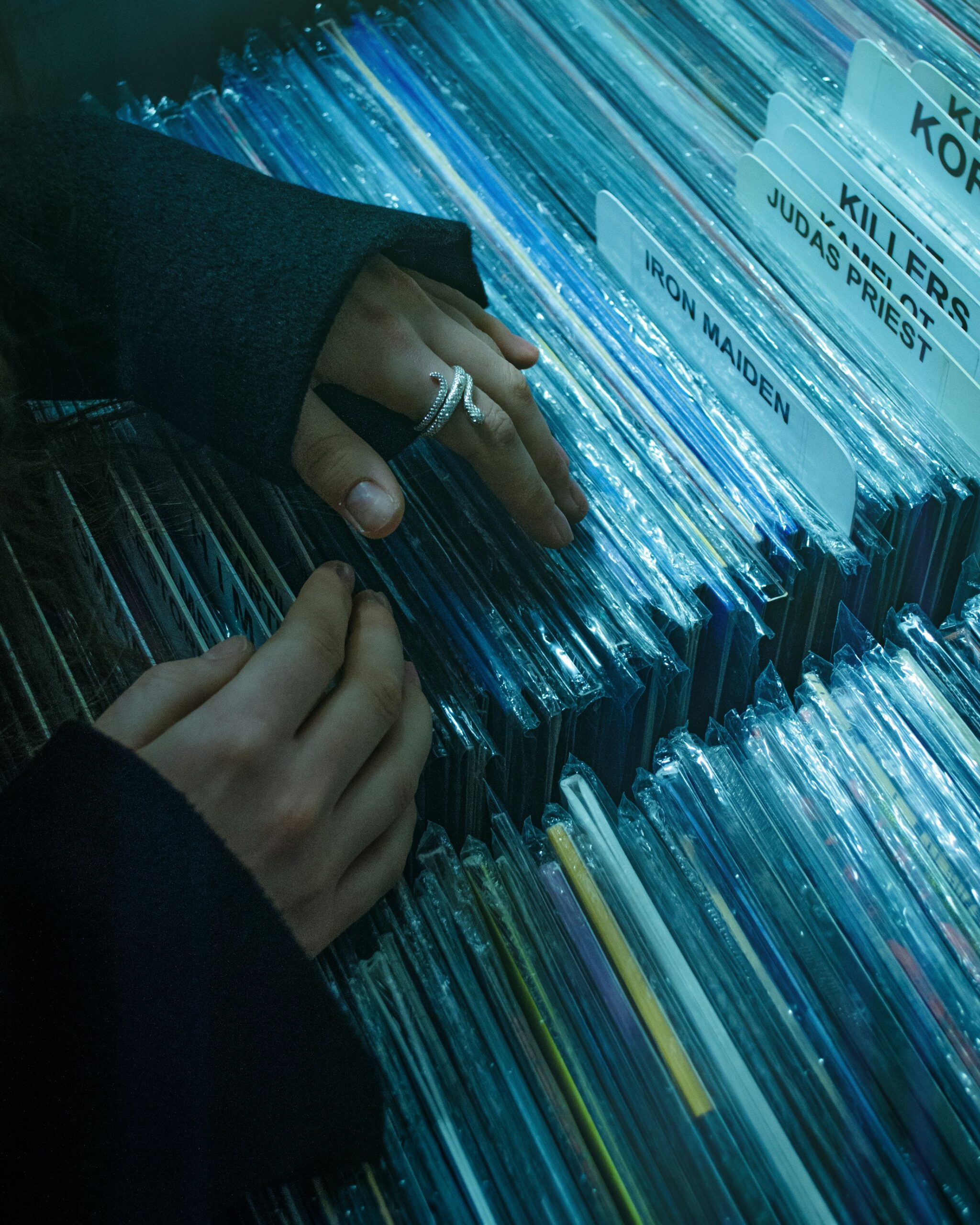
It helps to know what you are interested in — a label, a producer, a period, a country or a sound — but leave room for the unexpected. If you only search for records you already know, you miss the main advantage of browsing in person. Try asking for three records that explain the local scene, or one release that changed how the shop’s staff hear a particular genre.
Ask about local labels and independent releases
Local labels are often the best route into a city’s music culture. Ask which small imprints are active, where their artists play and whether the shop stocks local compilations. A record shop can become a practical guide to venues, radio shows, promoters and independent events.
Check condition and pressing details
For second-hand vinyl, inspect the record under a good light and ask about grading if it is not clear. Look for warping, deep scratches, damaged labels and signs of poor storage. A visually clean record is not automatically quiet, and a worn sleeve does not necessarily mean the vinyl is unplayable. If you are buying an expensive original pressing, compare the catalogue number, country, label design and matrix information rather than relying on the cover alone.
Think about luggage, shipping and customs
Records are heavier than they look. If you are travelling, bring a protective sleeve or a small record mailer, and avoid leaving vinyl in a hot car or direct sunlight. For larger purchases, ask whether the shop ships internationally and whether the price includes tracking and insurance. Check the import rules and taxes that apply where you live before ordering from overseas.
Support the shop beyond one purchase
If you find a shop you love, follow its updates, buy directly when possible, attend its events and recommend it to other listeners. Independent retailers operate on tight margins and face rising rents, distribution costs and competition from large online platforms. A small purchase, a used record or a ticket to an in-store event can help keep a specialist shop part of its neighbourhood.
Build a record-shopping day around a city
- Berlin: start with Hard Wax, then explore the city’s independent venues, labels and electronic music spaces. Pair the visit with our guide to Europe’s underground electronic scenes.
- London: combine Phonica and Rough Trade East with a wider search through specialist shops. Check current listings before crossing the city; London’s record shops are spread across several neighbourhoods.
- Tokyo: choose a few Disk Union branches rather than trying to see them all. Add a live house or listening bar in the evening using our Tokyo guide.
- Los Angeles: give Amoeba a generous time window and check its events calendar. The shop is large enough to be the main activity of an afternoon.
- Paris: use Superfly as a specialist stop and explore the wider network of independent sellers, second-hand shops and listening spaces.
- Lisbon: make time for Carbono and use the visit to explore Portuguese and Lusophone records that may be harder to find elsewhere.
Find more than records
The most memorable record-shop visits rarely end at the till. A conversation can point you towards a small club night, an independent radio show, a label party or a local producer you would otherwise have missed. If you are a musician, producer or DJ, do not treat every shop as a networking opportunity; be curious, listen, buy something if you can and let conversations happen naturally.
For more ways to connect with music communities, read Where to Meet Musicians and Find Collaborators, explore Underground Music Cultures Around the World, and browse our wider guide to the world’s great music cities.
A final note before you travel
Independent record shops change. Stores move, close, change ownership and adapt their opening hours, while stock can turn over daily. This guide is a starting point rather than a promise that every branch will have the same catalogue or schedule when you arrive. Check the shop’s official website or current social posts, confirm opening times and contact the store directly if you are travelling a long distance for a particular release.
Editorial note: store selection and links reviewed for this guide in November 2026. Always confirm current opening hours, location and availability directly with each retailer.