
BURNT HOUSE / MUSIC CULTURE / TRAVEL
A music trip can be much more than a weekend of big concerts. The best destinations let you hear how a city sounds after dark, find the venues where local artists play, visit record shops, discover independent radio and understand the culture that shaped the music. This is not a league table. Each city offers a different reason to go.
Which cities are worth visiting for small live music venues?
If small live music venues are the main reason for your trip, Glasgow, Bristol, Tokyo and Berlin are strong places to start. Each has a recognisable network of intimate rooms and independent promoters, but the experience is different from city to city.
- Glasgow: start with grassroots rooms such as The Glad Cafe, The Hug and Pint and Nice N Sleazy. Visit Glasgow’s music-venue guide highlights the city’s intimate venues and independent programme.
- Bristol: look at The Exchange, The Louisiana, The Fleece and Strange Brew for independent gigs across different styles. Visit Bristol’s live-music guide lists these and other local rooms.
- Tokyo: explore Koenji and Shimokitazawa, where live houses range from tiny genre-specific rooms to established independent stages. GO TOKYO’s Koenji guide explains the neighbourhood’s live-house culture.
- Berlin: look beyond the largest clubs to neighbourhood rooms and community venues such as Schokoladen and the independent spaces around Kreuzberg and Neukölln. VisitBerlin’s gig-tripping guide is a useful starting point.
For a venue-by-venue European shortlist, see our guide to Europe’s best small live music venues. For a deeper look at Tokyo’s live houses, clubs, listening bars and record shops, read Tokyo’s underground music scene. Check each venue’s own calendar before travelling: line-ups, entry rules and opening arrangements change.
Berlin, Germany: clubs, experimental music and independent spaces
Berlin is an obvious stop for electronic music, but the city is more interesting when you look beyond the headline clubs. Its live-music scene includes jazz, punk, experimental performance, hip-hop and small independent venues. VisitBerlin’s live-music guide is a useful starting point for clubs and concert spaces, including House of Music, which combines studios, a stage, a café and community events.
Go for: electronic music, leftfield club culture, experimental performance and late-night discovery. Plan ahead for ticketing and door policies, and respect venue rules.
Glasgow, Scotland: a city built around live music
Glasgow’s musical identity reaches across rock, pop, electronic music, jazz and classical performance. UNESCO recognises Glasgow as a Creative City of Music and describes a music economy supported by venues, audiences, education and public cultural policy. It is a good destination if you want a city where music is part of everyday life rather than a single tourist attraction.
Go for: live bands, independent venues, music education and a dense programme of events across different genres.
Detroit, USA: Motown history and the roots of techno
Detroit is essential for anyone interested in the relationship between music, technology and place. The city’s story includes Motown, soul, funk and the development of techno through artists such as Juan Atkins, Derrick May and Kevin Saunderson. Visit Detroit’s own cultural guides explain how the city’s industrial history, Black musical innovation and underground spaces shaped the sound.
Go for: techno history, record digging, soul heritage and a deeper understanding of how a local scene can change global music.
Kingston, Jamaica: sound-system culture and reggae heritage
Kingston is a major destination for anyone interested in reggae, dancehall and sound-system culture. UNESCO lists Kingston as a Creative City of Music, recognising music as a central part of the city’s cultural identity. A meaningful visit should go beyond a playlist of famous records: learn about the studios, selectors, community spaces and people who carried the music forward.
Go for: reggae history, dancehall, sound systems and the wider Caribbean influence on global popular music.
Liverpool, England: songwriting, venues and music heritage
Liverpool’s musical identity is not limited to one famous band. It has a long history of songwriting, independent venues, club nights and music education. UNESCO’s Creative Cities Network recognises Liverpool as a City of Music, and its official cultural resources are a useful place to begin planning a music-focused visit.
Go for: live bands, songwriting heritage, independent venues and a city where music history remains visible.
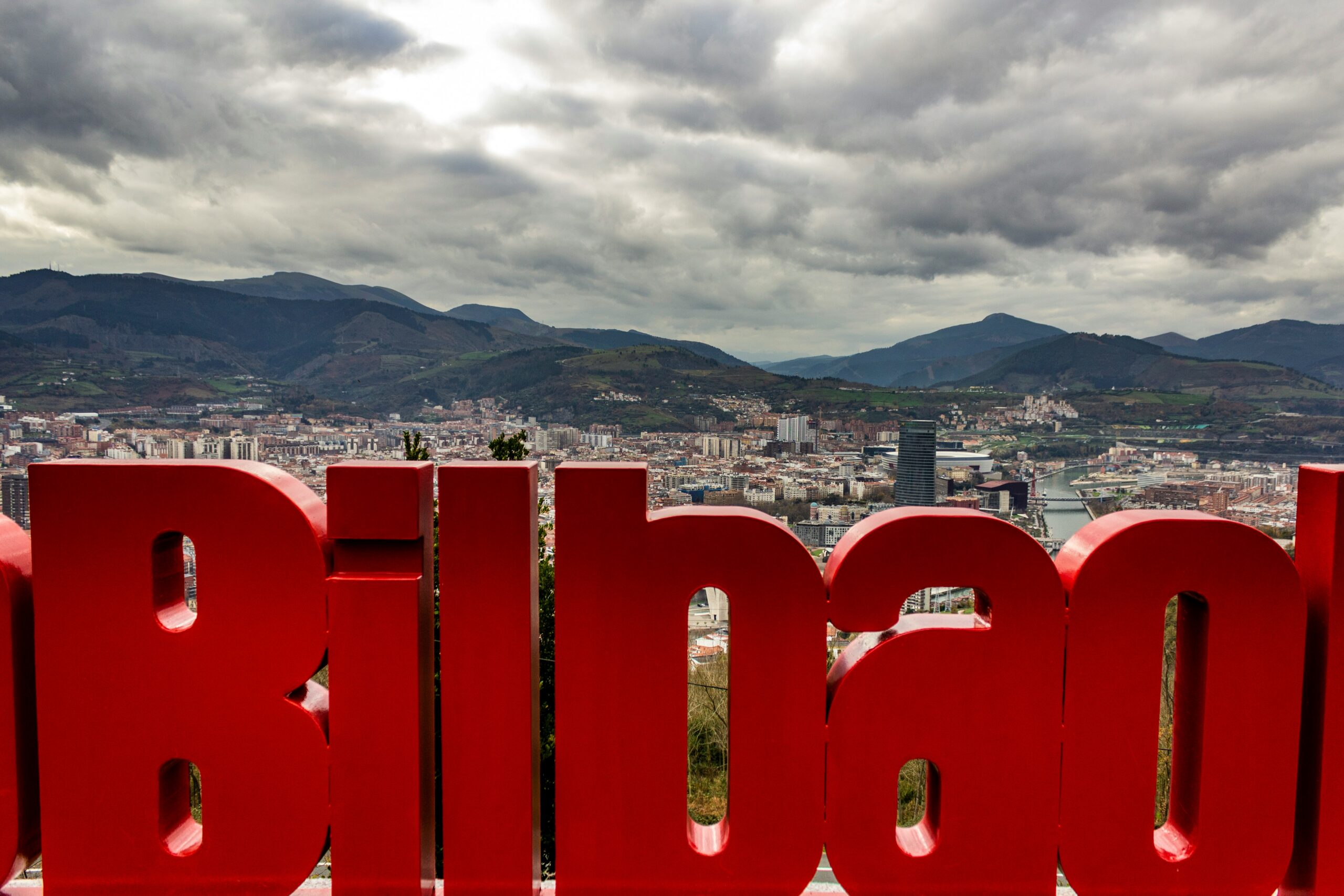
Bilbao and the Basque Country: a growing meeting point
Bilbao is a particularly useful destination for independent artists interested in the music business as well as live music. BIME brings artists, managers, labels, publishers, promoters and other professionals together with a public-facing programme. The wider Basque Country also offers a strong mix of local venues, festivals and cross-border cultural connections.
Go for: music conferences, emerging artists, Spanish and Latin American connections, and a chance to meet people working across the industry.
How to plan a music trip properly
- Start with a scene, not a tourist checklist. Decide whether you want electronic music, live bands, jazz, hip-hop, experimental music or a mix.
- Look beyond the headline venue. Small rooms, record shops, community radio and independent promoters often tell you more about a city’s sound.
- Check local calendars. Listings change frequently, and smaller events may only be announced through venue or promoter channels.
- Leave space for discovery. Do not fill every evening with pre-booked shows. Ask local musicians and record-shop staff what is happening.
- Support the scene. Buy a ticket, pay for records, support local artists and follow the venues you discover.
Make the music the reason to travel
A great music city is not simply a place with famous venues. It is a place where music is made, shared, argued over and passed between generations. The most rewarding trip is often the one where you return with a new record, a new contact, a new influence or a different way of hearing your own work.
Official starting points: VisitBerlin’s live-music guide; UNESCO: Glasgow Creative City of Music; Visit Detroit: the city’s techno history; and UNESCO Creative Cities Network.
For a music-business trip, see our guide to sync and industry relationships and the upcoming global music events guide.
More music cities worth building a trip around
The original list is a starting point, not a complete map of the world’s music culture. These additional destinations widen the picture beyond the familiar European and North American circuit. Each has its own musical geography: the neighbourhoods, venues and local habits matter as much as the famous names.

Tokyo, Japan: live houses, listening bars and deep musical specialisms
Tokyo is not one scene but a network of highly specific communities: jazz, noise, punk, metal, indie rock, hip-hop, electronic music, classical performance and record collecting all have their own places and audiences. The city’s intimate venues are commonly known as live houses. They are often small, dedicated rooms where the performance is the point and the audience listens closely rather than treating the show as background entertainment.
Where to start: Koenji is a particularly rewarding neighbourhood for independent music, with long-running rooms and newer spaces. The official Tokyo travel guide highlights JIROKICHI, Koenji High and Sub Store Tokyo, and describes Koenji’s development as a home for alternative subcultures and punk. Shimokitazawa is another useful area for live houses and record shopping; Shinjuku offers a much wider range of venues and specialist music shops.
Go for: intimate live performance, jazz, punk, experimental music, record collecting and the culture of listening. Check each venue’s ticket rules, door times and any drink or seating charge before you go. GO TOKYO’s Koenji live-music guide is a practical place to begin.
Mexico City, Mexico: dance halls, rock, jazz and independent counterculture
Mexico City has a broad musical identity that stretches from mariachi and sonidero culture to salsa, cumbia, jazz, rock, punk, electronic music and contemporary independent scenes. Its scale can feel overwhelming, so plan by neighbourhood and musical interest rather than trying to cross the whole city between shows.
Where to start: the city’s official tourism guide highlights Salón Los Ángeles for danzón, mambo and live orchestras; Patrick Miller for high-energy dance music; Zinco Jazz Club for jazz; and Multiforo Alicia for rock, ska, punk and independent counterculture. These are different experiences, not interchangeable tourist stops. Check current event listings and venue status before travelling, as programmes and operating arrangements can change.
Go for: Latin dance traditions, live orchestras, jazz, alternative rock, independent venues and a huge range of local music. The official Mexico City nightlife guide gives a useful overview of venues and districts.
Bristol, England: the roots and continuing evolution of trip-hop
Bristol’s international musical reputation is strongly associated with the Bristol Sound: the meeting of hip-hop, dub, reggae, soul, punk, electronic production and experimental sampling that helped shape trip-hop in the 1990s. The city remains worth visiting because its musical life extends beyond that history, with independent venues, club culture, live bands and new artists.
Where to start: The Fleece, Trinity Centre, Thekla, The Louisiana and Bristol Beacon offer different scales and kinds of live performance. The Louisiana is particularly associated with early appearances by artists who later became internationally known. Bristol is compact enough to build a night around a few venues, but check transport and the last train if you are staying outside the centre.
Go for: trip-hop history, bass culture, leftfield electronic music, independent bands and a strong relationship between local scenes and global sounds. National Rail’s guide to Britain’s musical cities includes Bristol and several of its live venues.
New Orleans, USA: jazz as a living street and community tradition
New Orleans is essential for anyone interested in jazz, brass bands, funk, rhythm and blues and the relationship between music and public life. The important distinction is that the city’s musical heritage is not just preserved in museums: it is carried through working musicians, neighbourhood traditions, second-line parades, clubs, festivals and community events.
Where to start: explore the Frenchmen Street live-music corridor, look for brass-band and traditional-jazz listings, and check the calendars of local venues and cultural organisations. Do not assume every performance is a tourist show; local etiquette and the context of a parade or community event matter. Buy tickets where required and support the musicians directly when appropriate.
Go for: jazz, brass bands, funk, roots music, musical history and the way a city can make music part of everyday public culture. Use local venue and festival calendars to find current performances rather than relying on a static list.
Seoul, South Korea: more than the global K-pop spotlight
Seoul is internationally associated with K-pop, but the city’s wider music culture includes indie rock, hip-hop, electronic music, jazz, underground club nights and experimental performance. Hongdae and the surrounding western districts are useful starting points for independent venues and smaller live rooms, while larger concert halls host major domestic and international tours.
Where to start: build an evening around one district and check current listings in advance. Ticketing, age restrictions and entry rules vary by venue and event; some Korean ticketing services may require local payment or account details, so confirm how overseas visitors can buy tickets before you travel.
Go for: contemporary pop production, independent bands, hip-hop, dance music and the contrast between highly polished large-scale performance and small underground rooms. Treat venue guides as a starting point and verify dates and access with the venue itself.
Lagos, Nigeria: Afrobeats, Afrobeat, highlife and a city that moves to music
Lagos is a major centre of contemporary African popular music. Afrobeats has an international profile, but the city’s musical life also includes the distinct Afrobeat tradition, highlife, fuji, juju, gospel, jazz and live-band culture. The New Afrika Shrine in Ikeja is closely connected to the legacy of Fela Anikulapo-Kuti and remains an important cultural reference point; the annual Felabration celebration is one of the events to watch.
Where to start: check the New Afrika Shrine’s current programme and follow established local promoters and artists for smaller shows. December is a particularly busy period for major concerts and diaspora-linked events, but schedules, transport and ticket demand can change quickly.
Go for: Afrobeats and Afrobeat history, live bands, contemporary African pop, dance music and the energy of a city where music is woven into social life. Plan transport home before going out, buy tickets only through the organiser or its named ticket partner, and use current local advice when choosing venues and routes.
Build a music trip around neighbourhoods, not just city names
A city can contain several distinct music worlds. Tokyo’s Koenji is not the same experience as a major Shinjuku venue; Mexico City’s jazz clubs and independent punk spaces are not the same night out; Bristol’s trip-hop history is only one part of its current scene. Choose one or two neighbourhoods, check their live calendars and leave time to explore on foot where practical.
A practical three-night music-trip plan
- Night one — get your bearings. Choose a well-established venue or a recognised local music district. Learn how tickets, entry, transport and venue etiquette work before trying to discover obscure rooms.
- Night two — follow the local scene. Look for smaller independent venues, local promoters, record shops, listening bars or community radio recommendations. Ask staff what else is happening nearby.
- Night three — go deeper. Pick a genre or community you do not know well. A jazz room, sound-system night, underground electronic event or local live band can reveal more than another headline concert.
How to find the real local calendar
- Start with the venue. Use the venue’s own website or verified social account for dates, tickets, access information and changes.
- Follow local promoters. Independent promoters often announce the shows that do not appear in broad tourist listings.
- Look for community radio. Local radio stations, specialist programmes and DJs can point you towards scenes and artists outside the mainstream.
- Visit record shops. Ask staff what local releases, labels, venues and nights they recommend. Buy something if you can.
- Check transport before the show. Last trains, late-night buses, rideshare availability and venue closing times can determine whether a plan is realistic.
- Respect the room. Some venues are listening spaces, some are dance floors and some are community institutions. Follow their rules, avoid filming where it is prohibited and support the artists.
Turn the trip into creative research
If you produce music, travel can be a practical way to refresh your ears. Listen for local rhythmic feels, bass traditions, vocal approaches, room acoustics, crowd behaviour and the way DJs move between styles. Keep notes, buy records from local artists and ask permission before recording people or performances. The aim is not to take a scene’s sound as a sample pack; it is to understand the culture and creative decisions behind it.
For more ways to turn new connections into creative work, read our guide to meeting musicians and finding collaborators, our worldwide music events calendar and our guide to music for film and television.