MUSIC CULTURE / TRIP-HOP
Trip-hop is recognisable less by one tempo than by the way rhythm, atmosphere and sampling are allowed to share the same space.
The genre grew from a particular relationship between hip-hop production, electronic music, soul, dub, jazz and experimental sound. Its identity is often described through mood: cinematic, shadowy, relaxed, tense or introspective. But the musical ingredients are worth examining more closely.
Hip-hop rhythm, approached differently
Trip-hop often borrows the loop-based foundation of hip-hop but uses it in a more spacious or slower-feeling way. Breakbeats may be chopped, swung, softened or placed behind the beat. The groove can feel heavy without becoming aggressive.
Sampling as atmosphere
Samples can provide more than a hook. A fragment of voice, a distant instrument or a short environmental recording can establish a setting. The production may leave the sample exposed or transform it through filtering, pitching, time-stretching and layering. Always clear samples and respect rights before release.
Bass and low-frequency space
Bass is central to the physical feel of trip-hop. It can anchor the groove while leaving room for the upper textures to drift. The best arrangements often keep the low end simple and let the atmosphere do the storytelling.
Live instruments and electronic textures
Guitar, keys, strings and percussion can sit alongside programmed drums and sampled material. The contrast between human performance and edited loops is part of the appeal.
How to create a trip-hop-inspired production
Begin with a groove that has some swing. Choose one textured sound that creates a mood. Keep the bass controlled, allow the arrangement to breathe and use effects to create depth rather than simply making everything wet. Let the track develop slowly.
Trip-hop’s influence can be heard in contemporary alternative hip-hop, downtempo, cinematic electronica and leftfield R&B. Explore the BRNT.WAV Hazy Dayz and Slow Down playlists for adjacent moods: BRNT.WAV playlists.
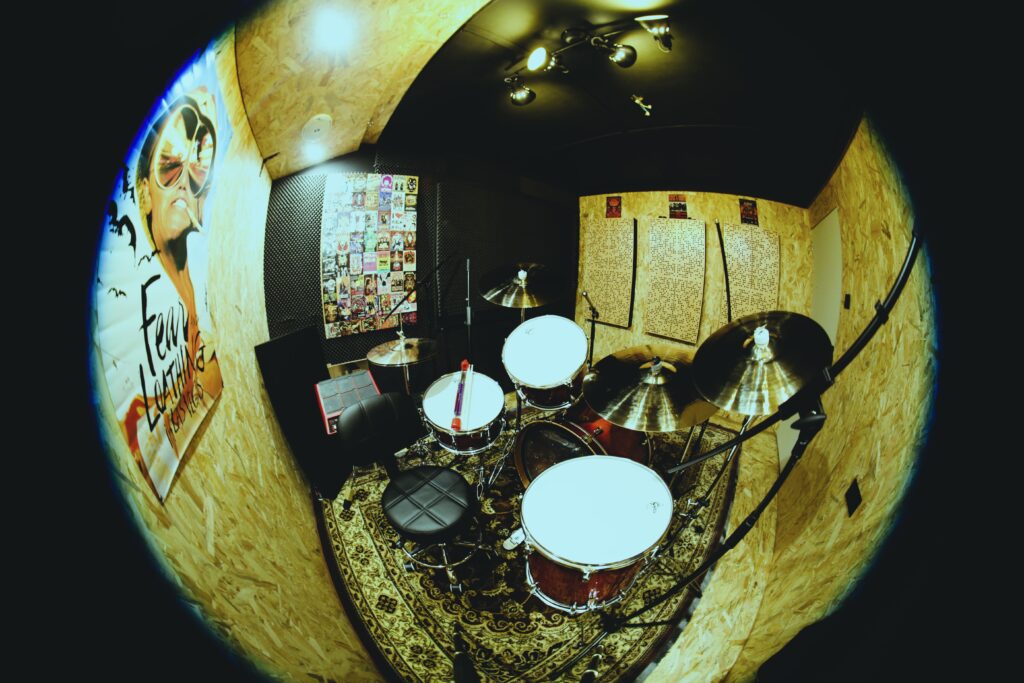
Featured image: drum setup from the Burnt House studio archive.
Where trip-hop came from
Trip-hop grew from the meeting point of hip-hop-derived breakbeats, dub, soul, jazz, electronic music and a distinctly atmospheric approach to sampling. Bristol is central to the story, with artists such as Massive Attack, Portishead and Tricky helping establish a sound that could be slow and heavy without being static. It was never only a tempo. It was a way of using space, bass, texture and rhythm to create an atmosphere.
The genre’s early records often felt cinematic because they left room for sound to develop. A loop might be repeated long enough for the listener to notice tiny changes. A vocal could sit low in the mix, almost like another instrument. A dub-influenced delay might make a short phrase feel as though it is drifting through a large room.
Breakbeats that breathe
Trip-hop frequently borrows the feel of hip-hop breaks but handles them differently. The drums may be slowed down, swung, filtered or allowed to sit slightly behind the beat. A break does not need to be perfectly quantised to feel strong. Small timing differences can give it a human looseness that helps the track feel lived-in.
For producers, the important thing is to decide what the rhythm is doing. Is it pushing the song forward, creating a hypnotic loop or holding a space for a vocal? A kick and snare can provide enough structure while small percussion details create movement around them.
Sampling: atmosphere as well as rhythm
A sample can establish a location or a memory, not just provide a melody. A fragment of an old recording, a room sound, a chord or a voice can become the centre of the production. Filtering and chopping can change how the listener hears the source, but samples still have rights attached. Clear any copyrighted material before releasing a track commercially, and keep notes about where your sounds came from.
Bass and the lower half of the picture
Trip-hop bass often feels heavy because it is allowed to occupy a clear space. The arrangement does not need a busy bass line if the kick and low synth are already providing enough movement. A controlled sub can create weight, while a mid-bass texture gives the listener something to recognise on smaller speakers. Listen on more than one playback system so the low end stays musical rather than simply loud.
Build a trip-hop-inspired session
Five production decisions
- Find a break or drum pattern with a groove you can imagine hearing for several minutes.
- Choose one sample or instrument that establishes the mood.
- Write a bass part that supports the kick without masking it.
- Use delay, reverb and filtering selectively to create depth and movement.
- Keep the arrangement spacious enough that the listener can hear the details.
At Burnt House, a drum or percussion idea can begin with recorded instruments, programmed patterns or sampled material, then be shaped with the studio’s production tools. Explore the Studio Equipment page and the production and sound-design approach.
For related listening, the BRNT.WAV Hazy Dayz and Slow Down playlists are useful starting points.
From breakbeat to atmosphere: building a trip-hop-inspired session
A useful way to understand trip-hop is to build a track in stages and notice when the atmosphere begins to feel convincing. Start with a drum loop that has a strong pulse but does not sound mechanically rigid. A programmed pattern from a drum machine can provide the foundation; small changes in timing, velocity and the relationship between kick and snare can make the loop feel more like a performance. Do not fill every gap. A groove that leaves space often creates more tension than one that is constantly busy.
Next, choose one sound that gives the track a location. It could be a chord played on a keyboard, a guitar phrase, a room recording or a short vocal fragment that you have permission to use. Let that sound establish the mood before layering more material. Filtering, reverb, delay and pitch changes can turn a simple source into an atmosphere, but keep an untouched copy so the original remains available. If the source is a sample from another recording, check the rights and clear it before commercial release; chopping or processing a sample does not automatically remove the need for permission.
Give the bass a clear role. It might reinforce the kick, answer it with a different rhythm or hold a sustained note while the drums move around it. Listen on headphones and speakers, because a deep sub layer can appear impressive on one system and disappear on another. A mid-range bass texture can help the musical movement remain audible without simply turning up the low end.
Burnt House has instruments that can support this kind of hybrid approach, including the Roland TR-08, Fender Rhodes, Moog Sub 37 and Prophet-6. They are options rather than a required recipe. Explore the studio equipment, then hear related moods in the Hazy Dayz and Slow Down playlists. The wider BRNT.WAV playlist hub offers more routes into downtempo and alternative electronic listening.
Five decisions that keep the arrangement focused
- Choose a groove that works before adding effects.
- Use one main texture to establish the mood.
- Make the bass support the kick rather than compete with it.
- Automate effects and filtering to create movement across the track.
- Remove any layer that does not add rhythm, harmony, atmosphere or meaning.