
Starting a band is easier in a city where you can find people to play with, afford somewhere to rehearse, get regular stage time and build an audience without spending everything on rent. The biggest music capitals are not always the best places to begin. A smaller city with a strong grassroots circuit can give a new band more chances to play, meet promoters and become part of a local scene. This guide compares European cities where new bands can develop — from Glasgow and Manchester to Bristol, Leeds, Berlin and Amsterdam.
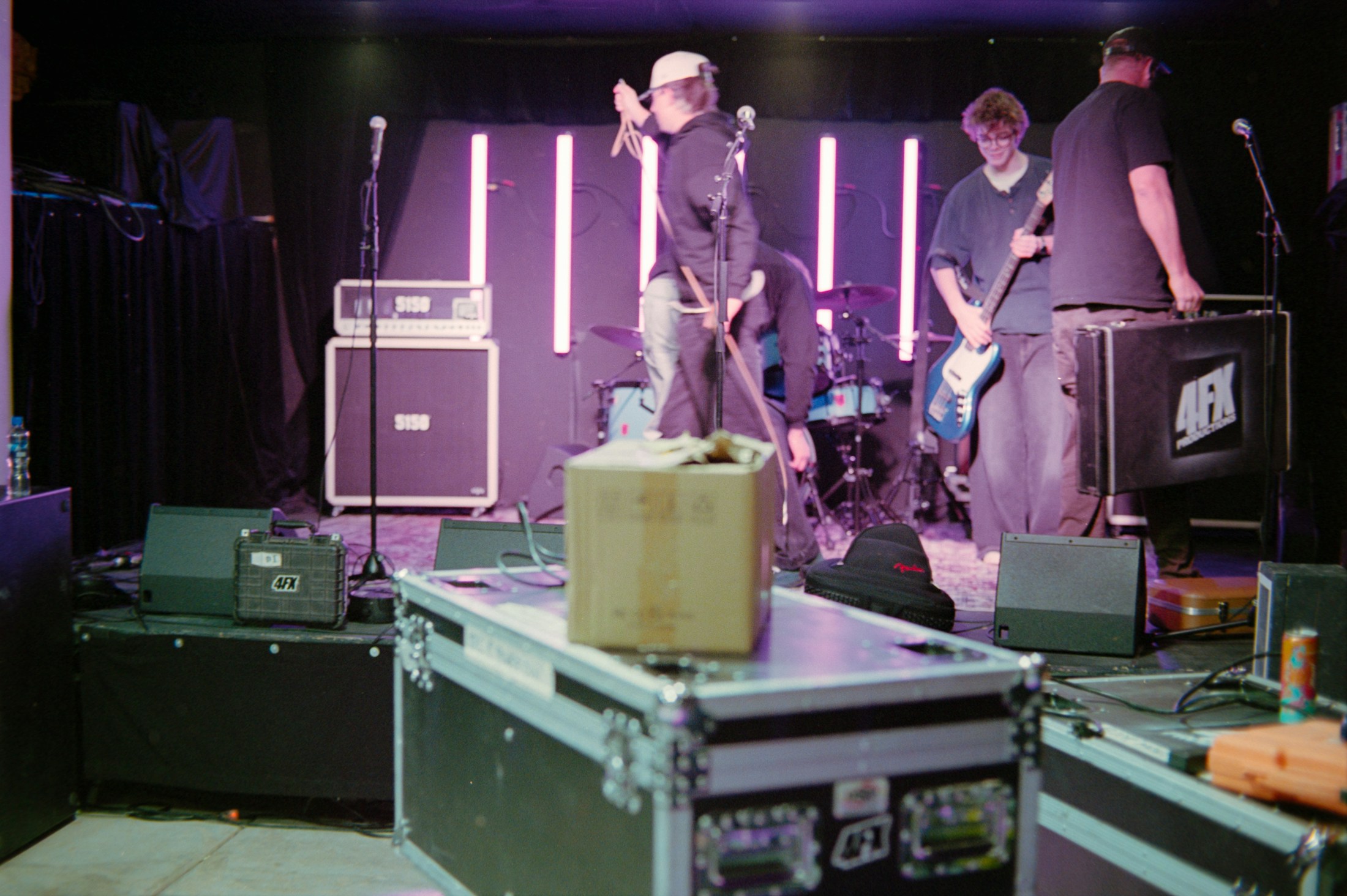
What makes a city good for starting a band?
A city with famous bands and large concert halls may look attractive, but a new band needs a different set of conditions. You need affordable rehearsal time, musicians with compatible interests, small venues that book emerging acts, reliable transport and a local audience that is interested in discovering new music.
Before choosing a city, compare these practical factors:
- Musicians: are there people nearby who play your style, want to rehearse regularly and are at a similar stage?
- Rehearsal space: can you find a room you can afford, with access to drums, amps, storage and suitable hours?
- Grassroots venues: are there small rooms, pubs, community venues and independent promoters that book new bands?
- Audience: do people attend local gigs, support independent releases and follow emerging artists?
- Transport: can band members and audiences get to rehearsals and shows without spending too much time or money?
- Cost of living: can you afford to stay in the city long enough to build a following?
The best city is the one that gives your band enough room to grow, not necessarily the one with the biggest reputation.
Glasgow, Scotland: a strong community and a serious live culture
Glasgow is one of the UK’s most compelling cities for bands because it combines a deep musical identity with a network of independent venues and a culture of regular gig-going. The city has supported indie, post-rock, punk, electronic music, jazz and experimental scenes, and its scale can make it easier for a new band to become familiar to local audiences.
Look at venues such as The Glad Café, Stereo and Mono to understand the range of the city’s independent culture. There are also community and rehearsal networks worth investigating before you move.
Best for: indie bands, alternative rock, experimental music, punk, post-rock and collaborative projects.
Manchester, England: independent venues and a wide musical history
Manchester has a strong band culture and a long history of independent music, from post-punk and indie to electronic music, soul and alternative rock. The city has a dense network of venues and promoters, and it is large enough to support different scenes without the travel distances of London.
Start by exploring rooms such as Band on the Wall, Gullivers and The Castle Hotel. The Northern Quarter and surrounding neighbourhoods provide a useful starting point for discovering independent venues, record shops and local promoters.
Best for: indie, rock, post-punk, soul, alternative pop and bands that want a substantial live circuit.
Bristol, England: DIY culture and genre-crossing collaboration
Bristol has a strong independent identity, with a history that connects punk, trip-hop, dub, bass music, electronic production and alternative live music. For bands, its appeal is the culture of independent venues, promoters and creative collaboration. It is a city where guitar music can sit alongside sound-system culture and experimental electronics.
Explore Exchange, The Croft, The Jam Jar and The Loco Klub. Each has a different identity, so attend events and identify which promoters book music that fits your band.
Best for: alternative bands, punk, post-punk, experimental rock, dub-influenced projects and cross-genre collaborations.
Leeds, England: grassroots venues and a strong local audience
Leeds has a long-running independent music culture and a network of small and mid-sized venues that make it a practical city for bands. It can be easier to become part of the local circuit than in a much larger capital, and the city’s universities and creative communities add to its audience base.
Brudenell Social Club is a key independent venue, while Headrow House and Belgrave Music Hall add different spaces and audiences to the city’s live circuit. Look for local promoters and support slots rather than aiming immediately for a headline show.
Best for: indie, guitar bands, alternative music, punk and emerging touring acts.
Liverpool, England: musical heritage with an active independent scene
Liverpool’s musical history is globally recognised, but it is also a city where new bands can find an active local audience and a strong network of independent venues. The city’s identity is not limited to its most famous musical exports: there are communities around alternative rock, punk, electronic music, jazz and independent songwriting.
Explore The Jacaranda, Kazimier Stockroom and Rough Trade Liverpool as starting points for discovering the city’s current live and independent culture. Check which venues and promoters are active in your genre before making plans.
Best for: indie bands, guitar music, alternative pop, punk and songwriters who want a city with a strong musical identity.
Berlin, Germany: international collaboration and genre diversity
Berlin is often associated with techno, but its wider music culture includes punk, indie, experimental performance, jazz and alternative bands. The international population can make it easier to meet musicians from different countries, and the city has a range of artist-run venues and rehearsal spaces.
For bands, the practical challenge is finding a rehearsal room and building a local audience in a competitive city. Musicboard Berlin’s rehearsal-space guide is a useful starting point for locating long-term and hourly options. Explore independent rooms such as Schokoladen and community venues around the city.
Best for: international bands, experimental rock, post-punk, alternative music and projects that cross genres.
Amsterdam, Netherlands: compact city and international connections
Amsterdam offers a strong live-music and creative ecosystem, with a mix of established venues, small rooms, artist-run spaces and international communities. The city is compact enough to move between neighbourhoods, and its links to the wider Dutch network can help bands build relationships beyond one market.
Look at Cinetol, De Nieuwe Anita, OT301 and Tolhuistuin. Each has a different programme, so attend relevant shows and follow the promoters who book your kind of music.
Best for: indie, alternative, experimental music, international projects and bands interested in a wider European network.
Copenhagen, Denmark: creative infrastructure and a strong local scene
Copenhagen is worth considering for bands who value a compact city, strong design and creative communities, and a live-music culture that connects independent venues with wider Nordic networks. The city has a range of small venues and cultural spaces, although costs can be high and language may matter when building deeper local relationships.
Explore the programme at VEGA and smaller independent rooms and collectives around the city. Look for local rehearsal facilities and jam sessions before committing to a move.
Best for: indie, alternative, electronic live bands and artists who want access to the wider Nordic music network.
Barcelona, Spain: creative energy and international audiences
Barcelona offers a broad cultural scene, with live venues, independent promoters, festivals and a large international population. For bands, it can be useful if you want to connect music with visual art, design and wider creative projects. The city also provides access to the wider Spanish and Catalan live circuit.
Explore the current programmes at Sala Apolo and Sala Razzmatazz, two established venues with very different scales and programming. Razzmatazz spans several rooms and hosts both live concerts and club nights, while Apolo’s programme moves across independent, electronic and alternative music. Check current listings and local promoter nights to find smaller bills that suit your band. Budget carefully for housing and transport.
Best for: indie, alternative pop, experimental bands and artists who value international creative networks.
How to choose the right city for your band
Do not choose based only on the number of venues or the reputation of the music scene. A band needs to rehearse regularly and play often enough to improve. A city with a smaller circuit may be more useful if you can afford a dedicated rehearsal room and become a familiar part of the local community.
Compare the real costs of renting a room, storing instruments, travelling to gigs and getting home after late shows. Check whether the rehearsal space includes drums, amps and PA, or whether you need to transport everything. Ask local bands how they find rooms and what they pay; advertised hourly rates are not the same as the cost of regular weekly rehearsal.
Build a local network before you move
Join local musician groups, attend open mics and jam sessions, follow independent promoters and visit venues before sending booking emails. If you are moving as a group, make sure every member understands the costs and expectations. If you are arriving alone, find musicians through rehearsal communities, local meetups and open stages.
Our guides to the best open mic nights in Europe, the best cities for musicians looking for jam sessions and where independent artists can get their first gigs can help you find a route into a local scene.
Give the band a year to grow
Starting a band is a long-term commitment. You need time to write, rehearse, record, perform and build a shared identity. The best city is not the one that promises instant success; it is the one where you can afford to keep doing those things consistently. Choose a place with the right musicians, a realistic rehearsal setup and a live circuit that gives you opportunities to improve.
For more guidance, explore Europe’s Best Small Live Music Venues, The Best Cities for Independent Musicians to Live and Work and How to Get Booked at Independent Music Venues.
Editorial note: city and venue examples reviewed in November 2026. Venue programmes, rehearsal availability and housing costs change; check current details with local venues and rehearsal providers before making a relocation decision.