
Producing music can be a solitary job. You spend hours inside a DAW, building sounds, editing arrangements and finishing tracks, often without meeting the people whose work you admire or the musicians who could take your ideas somewhere new. Producer communities solve a different problem from social media: they put people in the same room, let them hear unfinished work and create a reason to collaborate. This guide looks at where producers can meet other producers — from studio meetups and track-feedback sessions to beat socials, user groups and creative workspaces.
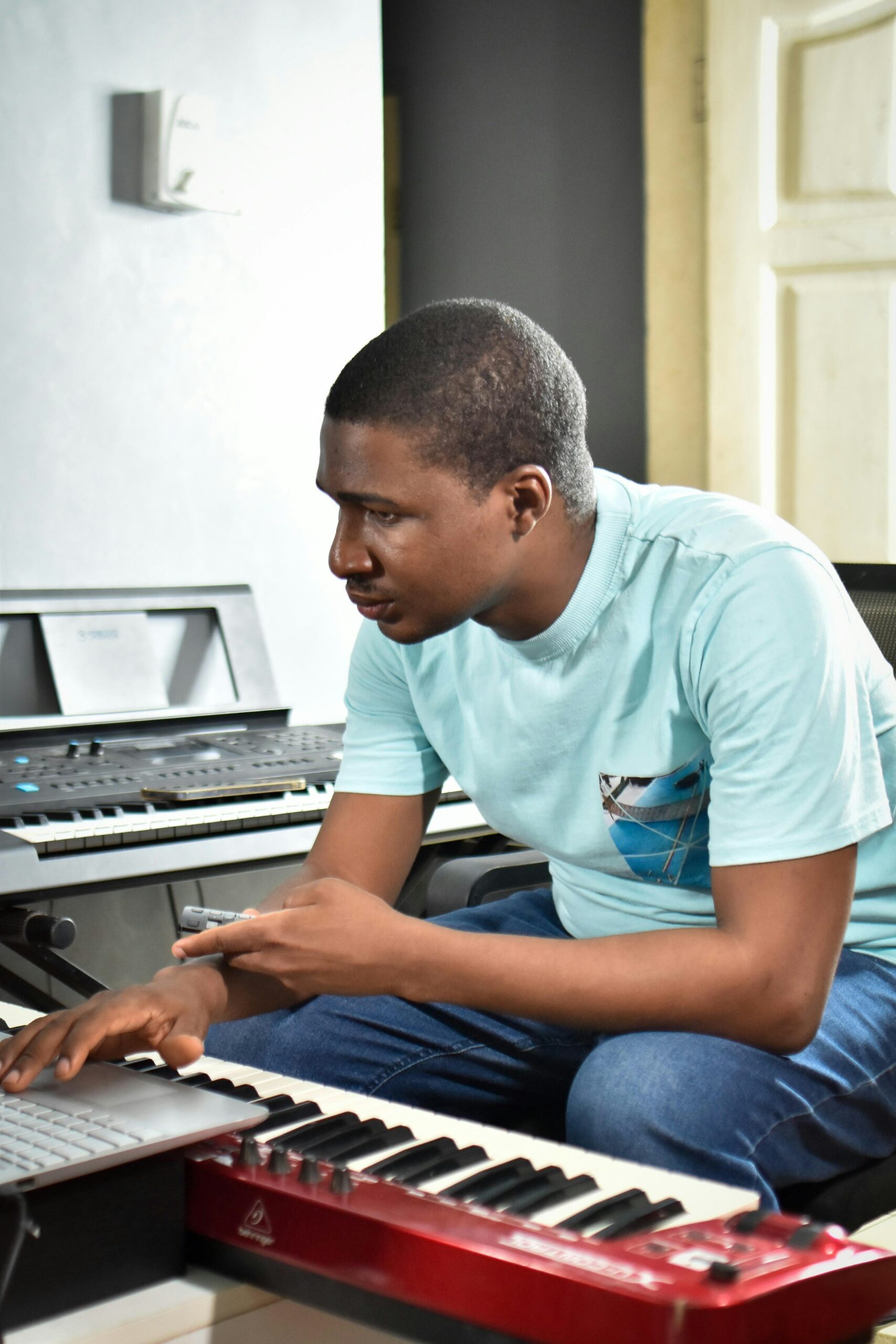
Why meet other producers in person?
Online communities are useful for feedback, tutorials and discovering new tools, but they can also make collaboration feel transactional. A real-world meetup gives you a chance to hear how someone thinks, ask questions about their process and discover whether you enjoy working together. You might meet a vocalist who needs production, a beatmaker looking for a mix engineer, a hardware enthusiast interested in a live set or a songwriter who wants to experiment with electronic arrangements.
The best producer communities are not simply networking events. They have a shared activity: track feedback, listening sessions, workshops, gear demonstrations, collaborative challenges, studio tours or open aux slots. That shared purpose makes it easier to talk to people and gives you something useful to contribute.
Berlin, Germany: a strong producer meetup culture
Music Producers of Berlin
Music Producers of Berlin is a community for producers across genres, DAWs and experience levels. Its meetups have included demo drops, listening sessions and opportunities to share works in progress and receive feedback. The group has also hosted sessions in bars, studios and creative venues, making it a useful route into Berlin’s producer network.
Check the current Meetup calendar and group channels for the next event. Some sessions require registration to share a track, and the organisers may limit the number or length of demos so that everyone gets a chance.
Ableton User Group Berlin
Ableton User Group Berlin is useful for producers who work in Live and want to exchange workflow ideas, attend demonstrations and receive feedback. Events have included track-feedback sessions at House of Music, with finished tracks and works in progress welcome. Check the organiser’s current event page for venue, registration and any preparation requirements.
Berlin MusicTech Meetup
Berlin MusicTech Meetup connects artists, producers, developers, designers and people working around music technology. It is broader than a producer-only group, which can be useful if you are interested in audio software, creative tools, distribution, rights, music startups or the technology behind making and releasing music.
Amsterdam, Netherlands: studio-based collaboration
Amsterdam Electronic Music Production / Music Producers Amsterdam
Amsterdam Electronic Music Production is a community-run group for producers across genres and experience levels. Its events have included networking sessions, track-feedback evenings, live hardware sessions and studio tours hosted at Soundspace Studios. The group says its sessions are mainly held in English, and beginners as well as experienced producers are welcome.
This is a particularly useful model because the studio setting gives people access to proper monitoring and a shared creative environment. If you are bringing a track, check whether the organiser wants it on a USB stick, phone or laptop, and whether there is a time limit for playback.
London, United Kingdom: beat culture and music-industry meetups
London Beat Social — Echo World
Echo World runs Beat Social events that bring together beatmakers, producers, vocalists, videographers and underground music fans. The format includes networking and open aux slots, and you do not need to perform to attend. It is a useful environment for producers who want to meet people working in hip-hop, beats and adjacent independent scenes.
Check the event page for the next date, location and ticket details. If you want to play something, prepare a short track and make sure you understand the aux-slot rules before arriving.
London Music Industry Meetup
Meetup’s London music-production and industry groups include networking events that bring together producers, songwriters, musicians and people working across the wider music business. These events can be useful if you want to meet collaborators beyond your own production niche — for example, artists, managers, engineers, publishers or people building music-related businesses.
Barcelona, Spain: collaborative production communities
Barcelona Music Creation Collab Group
Barcelona’s music-production groups on Meetup include communities focused on music creation and collaboration. They can be a useful starting point for finding producers, songwriters and musicians interested in co-writing, sharing ideas and working across genres. Check the current group listings for active events rather than assuming a group is running a regular schedule.
Find communities beyond one city
Meetup is one place to start, but producer communities also form around specific tools, genres and local studios. Ableton User Groups, modular-synth meetups, beat battles, hardware nights, sample-making workshops, electronic-music schools and independent studio collectives can all create opportunities to meet people who share your interests.
Search for the activity you want rather than simply “music networking”. For example:
- Track feedback: producers play a work in progress and receive constructive comments on arrangement, sound selection, mix or direction.
- Demo drops: short, informal listening sessions where everyone brings a track or idea.
- Producer challenges: participants work from the same sample, brief or time limit, sometimes in pairs.
- Open aux sessions: beatmakers and producers play short selections to a room of peers and listeners.
- Hardware meetups: synth and modular enthusiasts share instruments, patches, sequencing techniques and live setups.
- Studio open days: recording spaces invite producers and artists to see the rooms, meet engineers and learn about services.
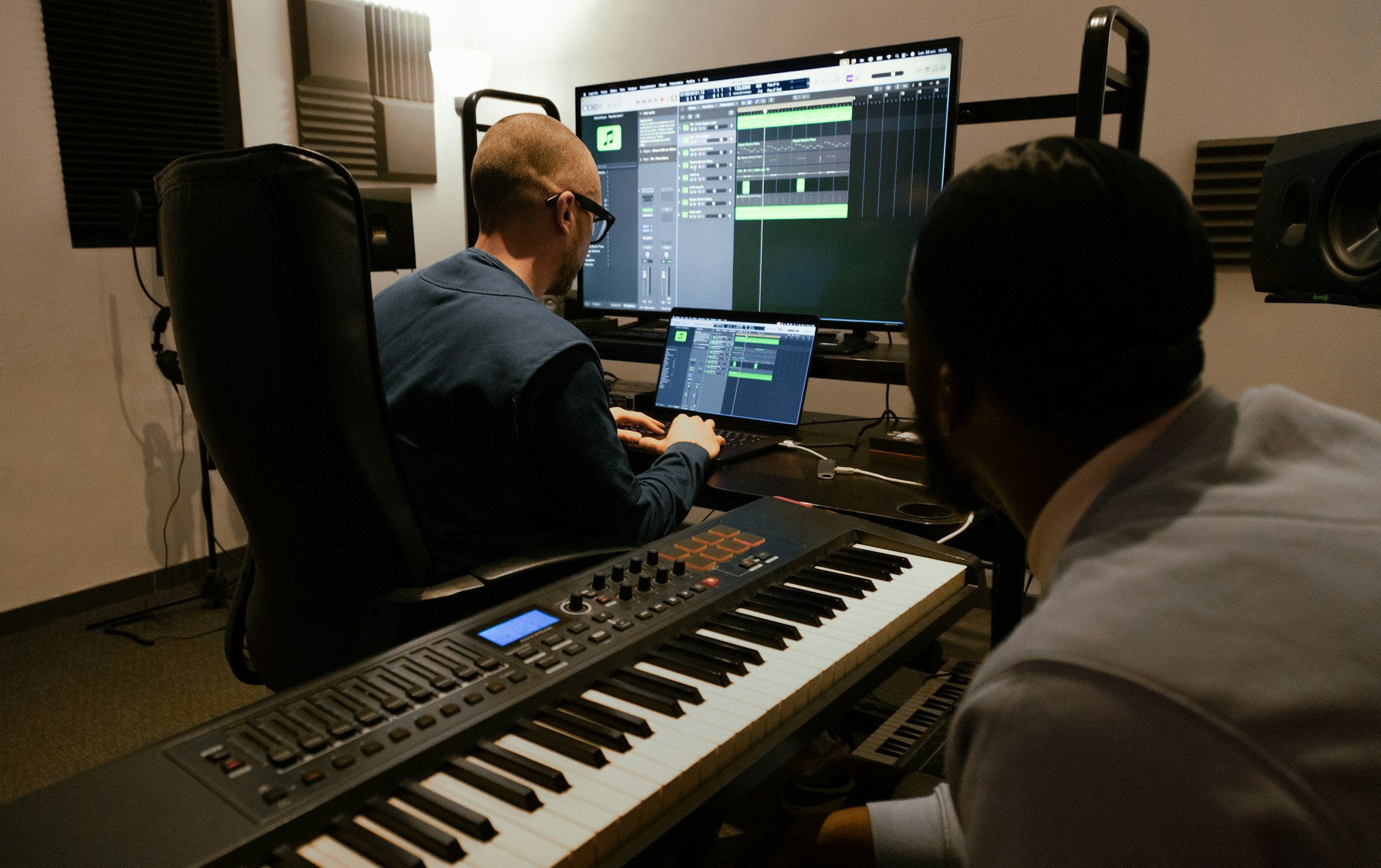
How to make a producer meetup worthwhile
Bring one thing you can play
You do not need a finished release. A 60-second loop, a rough arrangement, a drum pattern or a sound-design experiment can be enough to start a useful conversation. Choose something that represents the direction you are exploring and make sure it is ready to play without spending ten minutes finding files.
Ask for specific feedback
“What do you think?” is too broad. Ask whether the low end feels balanced, whether the vocal needs more space, whether the arrangement loses energy after the second chorus or whether the sound design communicates the idea you intended. Specific questions make it easier for other producers to help.
Listen to other people’s work properly
Do not use every demo as an opportunity to talk about your own track. Give people your attention, ask a thoughtful question and offer feedback that is useful rather than flattering. A community becomes valuable when everyone contributes.
Be clear about what you want to collaborate on
“Let’s make something sometime” rarely turns into a session. Suggest a specific idea: produce a vocal, exchange drum programming, co-write a track, record a hardware jam, mix a demo or build a sample-based piece. If you have a deadline or release plan, explain it honestly.
Follow up with a concrete next step
If you meet someone you would genuinely like to work with, send a short message within a day or two. Mention the conversation, share the track or reference you discussed and suggest a realistic next step. Avoid sending a huge folder of unfinished music to someone you have only just met.
What to bring to a producer meetup
- A laptop or phone with your selected track ready to play offline.
- Headphones if the event asks for them, but do not assume everyone will want to listen privately.
- A short description of your sound, the tools you use and what kind of collaboration interests you.
- A single link to your strongest work, rather than a long list of profiles.
- Notes on the feedback you receive, so you can follow up on useful suggestions later.
Build a network around your actual sound
It is tempting to join every producer group and attend every event, but a smaller number of relevant communities is usually more useful. If you make electronic music, a hardware meetup or Ableton group may be more valuable than a general industry mixer. If you produce hip-hop, a beat social or open-aux night can connect you with vocalists and beatmakers. If you work across genres, a studio-based track-feedback group can introduce you to a wider range of collaborators.
Look for regularity. Attend the same meetup several times, become familiar with the organisers and offer to help when you can. A community is not a directory of people who owe you a collaboration; it is a network you contribute to over time.
Turn the meeting into a working relationship
Once you find someone with a compatible approach, start with a small project. Exchange stems, build a loop together, record a short session or work on a remix. Agree on roles, credits, ownership and how any release will be handled before the project becomes complicated. Clear expectations protect both the creative relationship and the music.
For more ways to meet creative collaborators, read Where to Meet Musicians and Find Collaborators, explore The Best Cities for Independent Musicians to Live and Work and see our guide to the world’s best listening bars.
Editorial note: community pages and event links reviewed in November 2026. Meetup groups may change organisers, venues and schedules; check each group’s current calendar and registration details before attending.