
London can feel impossible to navigate as an independent musician. The city has an enormous music industry, but the most useful connections are often made in much smaller rooms: a pub with a good support bill, a listening bar, a basement jazz club, a record shop hosting an in-store or a neighbourhood venue where the same promoters and musicians keep showing up. This guide focuses on places where music is part of the reason people gather — and where you can get closer to London’s creative community without turning every conversation into a sales pitch.
Start with the kind of music community you want to find
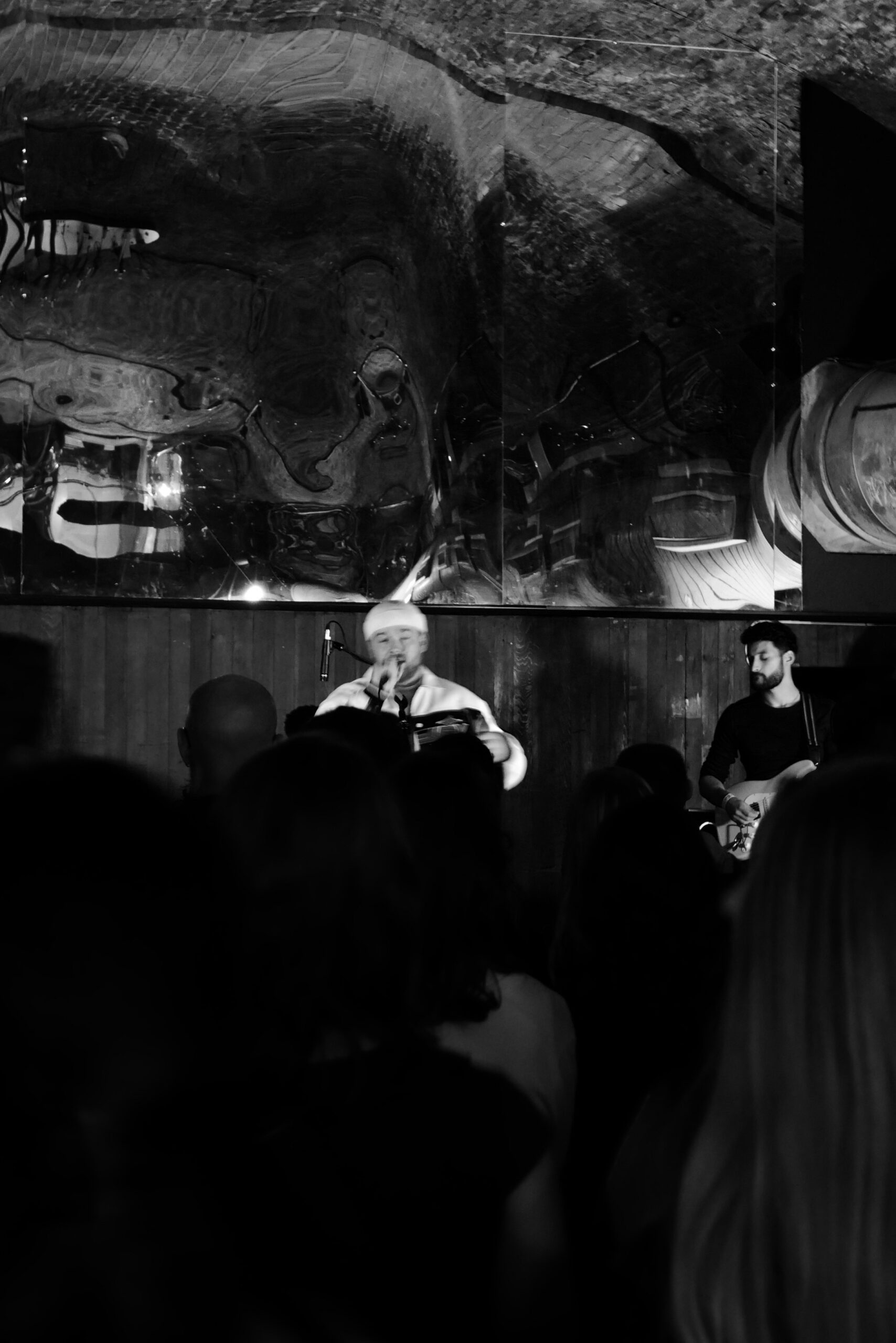
London is not one scene. Jazz musicians, experimental artists, indie bands, electronic producers, soul singers, reggae selectors and hip-hop collectives often move through different venues and neighbourhoods. The best place to meet people depends on what you make and what you want to do next.
A listening bar is useful for talking about records and production. A live-music pub is better for discovering local bands and promoters. A jazz club or jam night can connect you with working instrumentalists. A grassroots venue can help you understand which nights book new artists. The places below are selected for their musical identity, not because they guarantee that you will meet a record executive at the bar.
East London: independent venues and music-led bars
Old Street Records — Shoreditch
Old Street Records combines a bar, live-music space and late-night programme near Old Street. Its calendar includes bands, DJs and themed nights, with an open-mic format among the events advertised. It is a good option if you want a social evening with a clear music focus rather than a traditional gig venue.
Check the current listings for the open-mic sign-up details and the format of each night. Some evenings are built around live bands; others move towards DJs and a busier bar atmosphere.
The Old Blue Last — Shoreditch
The Old Blue Last is a long-running pub and grassroots live-music venue with a performance room upstairs. It has a history of putting emerging artists in front of London audiences, making it worth checking for new bands and early-stage touring acts. Go for a specific bill, arrive in time for the support and treat the room as a gig rather than a networking event.
Strongroom — Shoreditch
Strongroom has a strong association with East London’s music and creative industries. The bar and venue host live music, DJs, club nights and occasional industry-oriented events. Its mix of social space and music programming can make it useful for meeting people who work around recording, events and independent culture.
Look for a particular event or panel rather than assuming the venue is always a music-industry hangout. A shared programme gives you a much more natural reason to start a conversation.
Shacklewell Arms — Dalston
The Shacklewell Arms is a pub and live-music venue known for its independent and emerging-artist bookings. It is a good place to discover new bands and see how local promoters build bills. If you are an artist, pay attention to the promoters and recurring nights that fit your sound; those relationships are more useful than sending a generic message to the venue.
MOTH Club — Hackney
MOTH Club is a distinctive Hackney venue with a mixed programme of live music, club nights and other cultural events. Its intimate room and unusual interior give it a strong identity, and the range of events can attract people from different parts of London’s independent scene.
North London: listening rooms, jazz and intimate performances
Green Note — Camden
Green Note is a small independent live-music venue and café-bar with a programme spanning folk, roots, Americana, blues, jazz, world music and singer-songwriters. Its intimate scale makes it a good room for listening carefully and discovering performers before they move to larger stages.
For songwriters and acoustic performers, Green Note is a useful place to study how a small venue presents artists. For visitors, check the event description and book ahead where required, as capacity is limited.
Spiritual Bar — Camden
Spiritual Bar is connected to Spiritual Records and offers an intimate live-music and bar environment. Its programme leans towards independent and eclectic sounds, making it worth checking if you like blues, folk, roots and emerging performers. The venue is small, so the event calendar is more useful than simply turning up and hoping something is happening.
Jazz Café — Camden
Jazz Café is larger than a grassroots bar, but remains an important part of London’s live-music circuit. Its programme reaches across jazz, soul, hip-hop, world music and DJ-led club nights. It is useful for seeing how artists move between live performance and dancefloor culture, and for discovering promoters and collectives working across genres.
100 Club — Oxford Street
The 100 Club is a historic basement venue with roots in jazz, blues, punk and independent music. Its central location makes it an easy stop for visitors, but the reason to go is the programme: it continues to host a wide range of artists in a room with a strong sense of musical history.
Central London: jazz, blues and music-first rooms
Ronnie Scott’s — Soho
Ronnie Scott’s has been a major part of London’s jazz culture since 1959. It is not a casual networking bar, but it is an excellent place to hear musicians working at a high level and to understand the city’s jazz ecosystem. Its newer upstairs space broadens the performance offer, so check which room and format you are booking.
Ain’t Nothin’ But — Soho
Ain’t Nothin’ But is a compact blues bar on Kingly Street with live music as its central attraction. It is a good choice if you want an informal night built around live playing rather than a large ticketed show. Expect a busy, close-up room on popular nights, and check the schedule before visiting.
The Social — Fitzrovia
The Social is an independent bar and small venue just off Oxford Street, with a programme of live bands, DJs and music-led events. Its intimate basement room and relaxed upstairs bar make it useful for discovering smaller acts and meeting people who attend independent gigs regularly.
Spiritland — King’s Cross
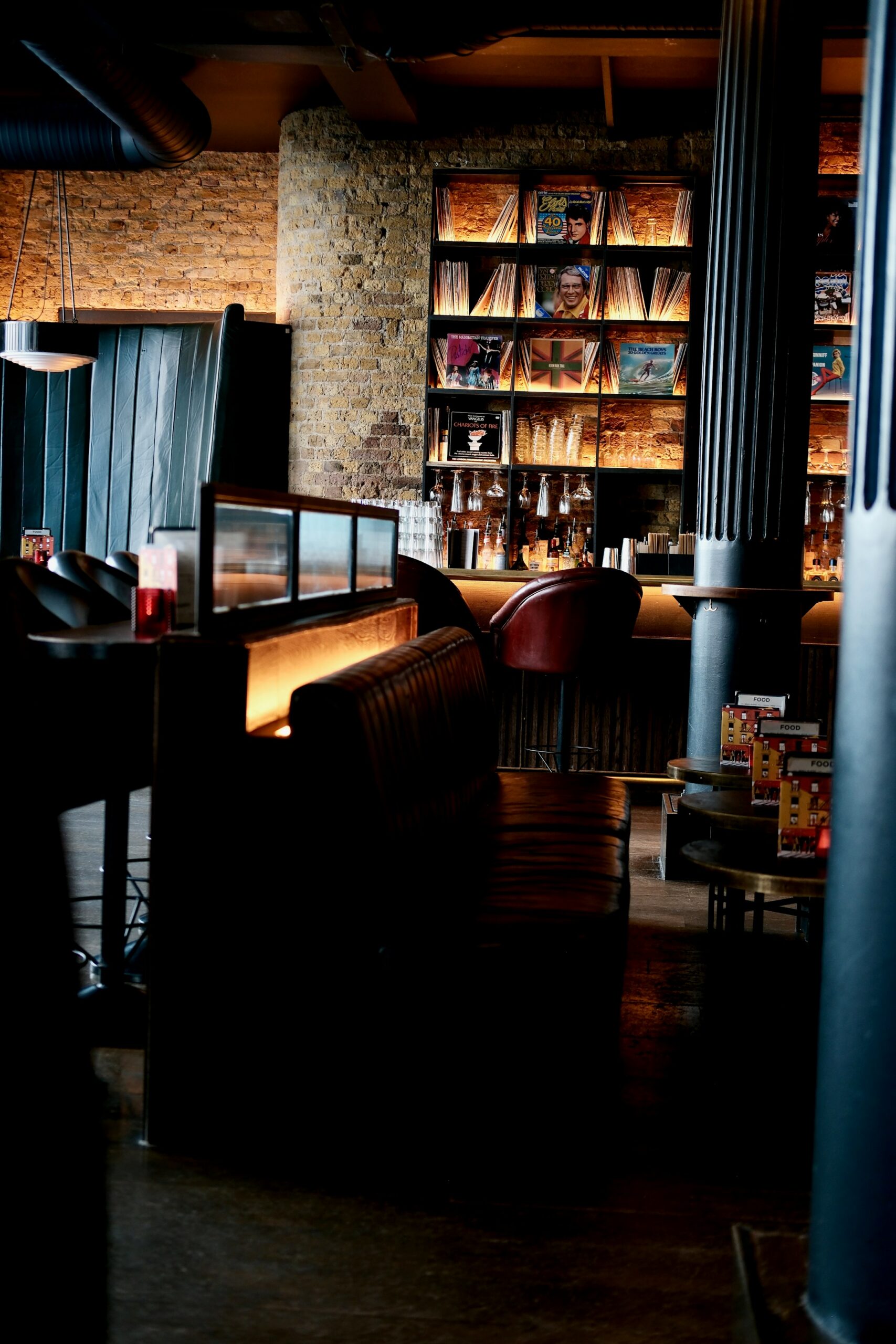
Spiritland is a listening bar built around a high-quality sound system and carefully selected music. It is a strong choice for producers, DJs and music obsessives who enjoy hearing records properly and talking about sound. The setting is more considered than a pub, and prices can reflect the central location and listening-bar concept, so treat it as a deliberate music stop rather than a cheap casual round.
South London: emerging bands and wider musical roots
The Windmill — Brixton
The Windmill is one of London’s best-known grassroots venues for adventurous new bands. Its programme has helped bring attention to artists before they reach larger stages, and its intimate scale makes it a valuable place to discover the next wave of independent music. If you are a musician, study the bills and promoters: the venue’s identity is closely tied to a particular DIY approach to booking and audience-building.
Hootananny — Brixton
Hootananny combines a pub, live stage and late-night programme, with music spanning reggae, dub, soul, funk, world music and other styles. It is a useful place to explore the musical breadth of South London and to find nights that bring different communities together.
Jumbi — Peckham
Jumbi is a hi-fi bar and restaurant in Copeland Park, with a focus on African and Caribbean food and music. It is particularly interesting for listeners who want to explore the connections between records, sound-system culture, food and contemporary diasporic creativity. Check its programme for DJ sessions and events.
West London: a historic music meeting place
The Troubadour — Earl’s Court
The Troubadour is a long-running bar and live-music venue with a history that reaches back through several generations of London’s music culture. Its current programme includes live performances across different styles. It is a useful choice if you are staying in west London and want a venue with a more intimate, pub-like atmosphere.
606 Club — Chelsea
606 Club is a musician-run jazz venue with a programme focused on UK-based performers across jazz, soul, funk, blues and related styles. It is a good room for hearing professional musicians in a close setting. Check the ticket and dining arrangements before booking, as the total cost can include both the performance and food or drinks.
How to meet musicians without making it awkward
London can be socially intense, and people are often busy. The easiest way to meet musicians is to become part of the audience first. Attend gigs, support local artists, follow the promoters who put on the nights you enjoy and return to the same rooms. If you hear a great set, tell the artist what you liked specifically. A genuine comment about a song, arrangement or performance is a better opening than asking immediately for a collaboration.
- Follow the promoters: many grassroots scenes are organised around recurring promoters and collectives. Their listings show which artists and venues are connected.
- Arrive for the support acts: the opening artist may be the person you have the most in common with musically.
- Keep your introduction short: say what you make, where you are based and what kind of collaboration you are interested in.
- Have one strong link ready: a single track, live video or portfolio page is more useful than a long list of platforms.
- Offer something specific: suggest a co-write, a studio session, a remix exchange or a shared bill only when there is a genuine musical reason.
A practical London evening by area
Shoreditch and Dalston: choose a show at Old Street Records, Strongroom, The Old Blue Last or The Shacklewell Arms. These spaces are spread across East London, so check the map and pick one main event rather than attempting a rushed crawl.
Camden and King’s Cross: look at Green Note, Spiritual Bar and Jazz Café, or choose Spiritland if you want a listening-focused evening.
Soho and Fitzrovia: check the listings at Ronnie Scott’s, Ain’t Nothin’ But and The Social. This is a good area for jazz and blues, but ticketing and show formats differ significantly.
Brixton and Peckham: choose The Windmill for emerging bands, Hootananny for a broader live and club programme, or Jumbi for a record-led evening.
Useful links for finding more events
Use Songkick’s London listings, Resident Advisor for electronic music, and each venue’s own calendar for the most reliable event and ticket details. For a wider picture of the city’s music infrastructure, see the official Visit London live-music bars guide.
Make the city smaller
London’s size can make it feel as if you need to be everywhere at once. You do not. Pick one or two neighbourhoods that fit your music, find a regular night and return often enough to recognise people. A sustainable network is built from repeated encounters, shared bills and mutual support — not from collecting contacts in every bar.
For more practical advice, read Where to Meet Musicians and Find Collaborators, explore Europe’s Best Small Live Music Venues, and see our guide to the best cities for independent musicians to live and work.
Editorial note: venue descriptions and links reviewed in November 2026. Listings, opening arrangements and recurring events can change; confirm the current programme, address and ticket details directly with each venue before travelling.