
A great small venue can make a gig feel like a secret you have been let in on. The room is close, the sound is immediate and the distance between the stage and the audience almost disappears. Across Europe, independent venues give emerging artists a first stage, give established musicians somewhere to experiment and keep local scenes connected. This guide picks out intimate rooms worth seeking out — and explains how to make the most of them as a listener or an artist.
Why small venues matter
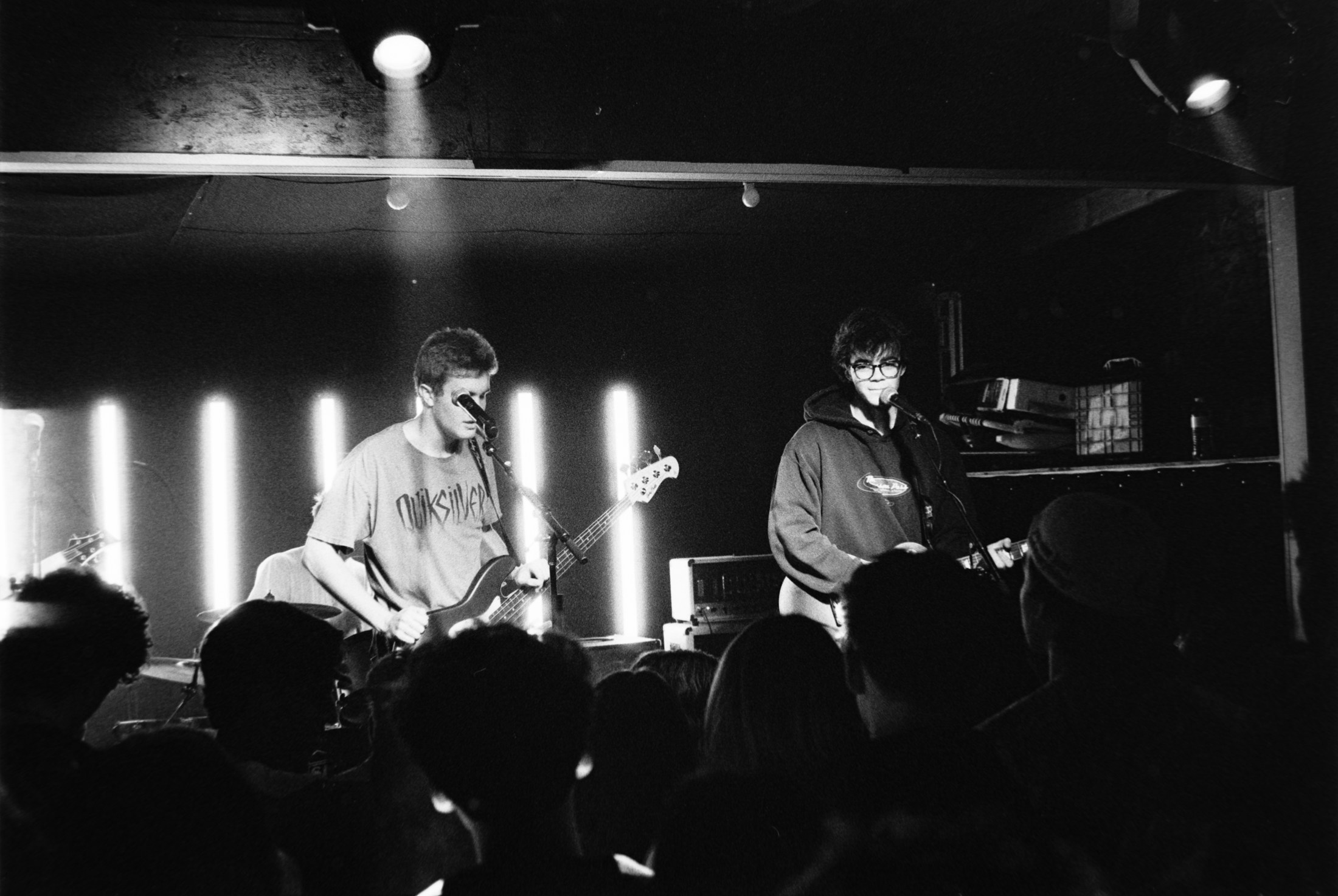
Grassroots venues are more than scaled-down concert halls. They are where local bands learn how to play to a room, where touring artists test new material, where promoters take risks on unfamiliar sounds and where audiences discover music before it reaches larger stages. The best rooms develop a personality of their own: a particular sound, a loyal crowd, a trusted booker or a programme that makes space for music that does not fit neatly into a commercial category.
Small venues are also vulnerable. Rent, energy bills, staffing, insurance, licensing and ticketing costs can make a low-capacity show difficult to run profitably. A room can be culturally important and still be operating on a fragile business model. Buying a ticket in advance, arriving on time, paying for a drink where you can and supporting the venue’s own events all make a difference.
This is a selection rather than a league table. The venues have been chosen for their independent character, adventurous programming or importance to their local scene. Always check the venue’s official listings before travelling: programmes, capacities and opening arrangements can change.
United Kingdom: DIY spirit and distinctive rooms
Exchange — Bristol, England
Exchange is a community-owned independent venue in Bristol’s Old Market, with two stages for live music and club nights. Its history is closely tied to the city’s DIY network of promoters, labels, record shops and bands. The programme crosses punk, alternative, metal, electronic music and more, with a strong emphasis on subculture and emerging talent.
Exchange is particularly interesting because the community ownership model gives its identity a direct connection to the people who use it. Check its listings for smaller touring bands and local bills, and read the venue’s entry and age guidance before buying tickets.
The Croft — Bristol, England
The Croft returned to Bristol’s Stokes Croft in 2025, restoring a familiar name to the city’s grassroots circuit. Its current programme spans live gigs, underground club nights and local and touring DJs. The back room’s intimate scale makes it a useful place to catch artists before they move to larger rooms.
The Jam Jar — Bristol, England
The Jam Jar is a community arts and music space with an international outlook. Alongside live music, it operates as a creative hub with workspaces and studio activity. Its programme is worth checking if you are interested in music that crosses styles and borders rather than following a single genre.
The Loco Klub — Bristol, England
The Loco Klub sits in railway arches near Bristol Temple Meads and presents alternative arts, music and performance. The setting is part of the experience: it is not a conventional rectangular gig room, and its unusual spaces can suit immersive or left-field events. Check the event page for access and directions, as the entrance can be easy to miss on a first visit.
Café OTO — London, England
Café OTO in Dalston is one of Europe’s best-known spaces for experimental music, free improvisation, adventurous jazz and sound art. It is a venue for listeners who enjoy being surprised. A bill might bring together musicians from very different backgrounds, or place an unfamiliar instrument and approach at the centre of the evening.
Read the event description before going: some performances are seated, some are standing, and the music may be intentionally challenging. Arrive with an open mind and give the performance your attention.
MOTH Club — London, England
MOTH Club in Hackney is a distinctive former servicemen’s club turned live-music and nightlife space. Its intimate stage, unusual interior and mixed programme have made it a favourite for indie, alternative, pop and club culture. It is a good example of how a room’s atmosphere can become part of its musical identity.
Brudenell Social Club — Leeds, England
Brudenell Social Club is a much-loved Leeds institution, combining the atmosphere of a local social club with a serious live programme. It has helped build the city’s reputation as a place where artists and audiences value independent music. Its different rooms allow the venue to host everything from emerging acts to established touring artists.
It is worth checking the smaller shows as well as the headline names. The social-club setting is part of its appeal: it feels rooted in the neighbourhood rather than designed as a disposable concert space.
The Glad Café — Glasgow, Scotland
The Glad Café in Glasgow’s south side is a not-for-profit café, bar and performance space with a programme that reaches into jazz, experimental music, folk and independent performance. It is a useful reminder that grassroots music does not always happen in a traditional pub venue. Community activity and a welcoming daytime identity can be part of the same organisation as ambitious evening programming.
Mono and Stereo — Glasgow, Scotland
Mono combines a café-bar and live music with the independent record shop Monorail Music under the same roof. Its programme reflects Glasgow’s alternative and independent culture. Nearby, Stereo offers a basement performance space and a programme that moves between gigs and late-night events. Together, they make the Merchant City a rewarding area to explore on a music-focused visit.
Clwb Ifor Bach — Cardiff, Wales
Clwb Ifor Bach is a central part of Cardiff’s independent music culture. Its multi-floor format allows it to host live music and club nights across different rooms, with a history of supporting Welsh-language music alongside a broad range of alternative and contemporary sounds. Check the listings for local artists and new Welsh acts, not just touring names.
Continental Europe: experimental rooms and local communities
WORM — Rotterdam, Netherlands
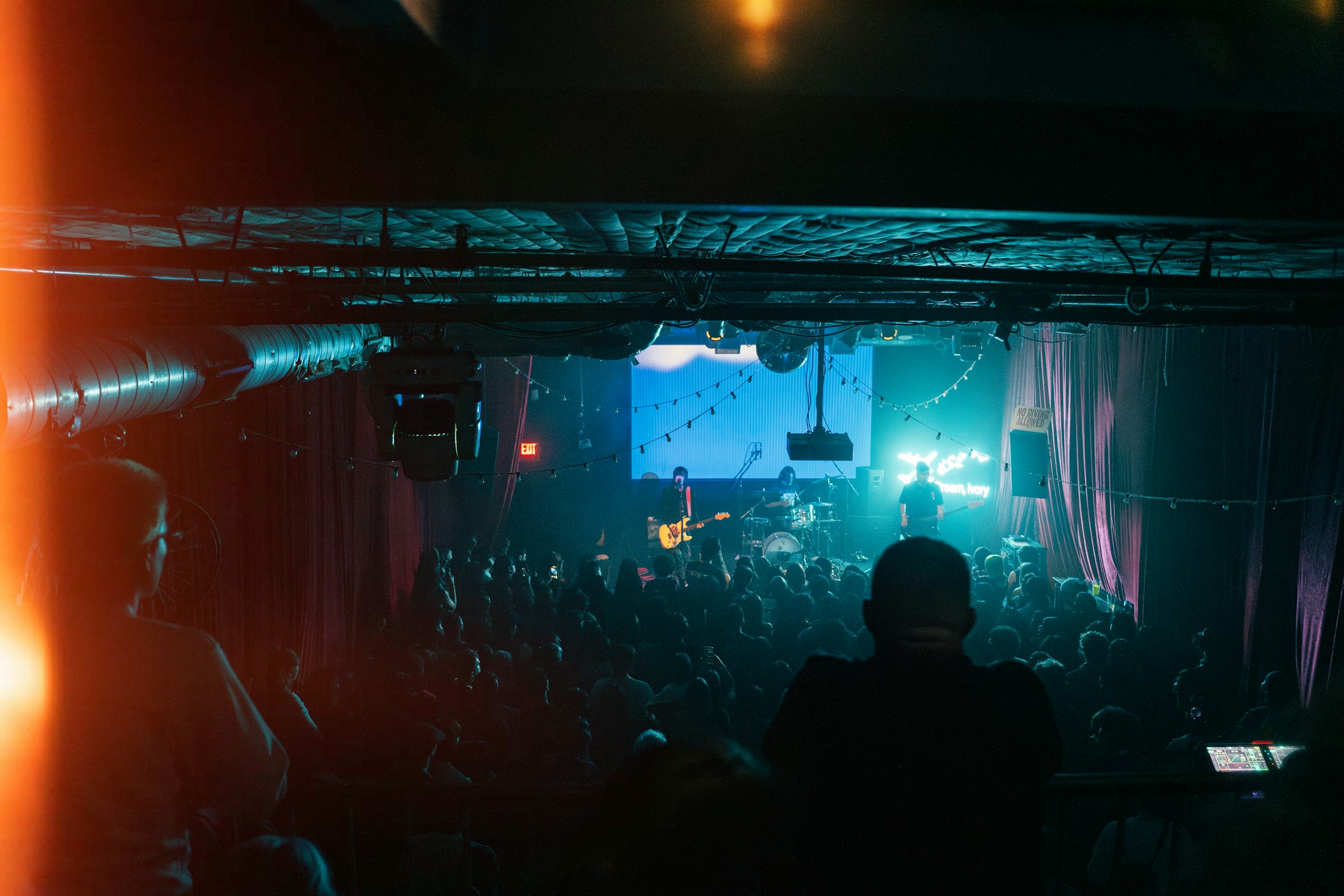
WORM is a Rotterdam-based institution for experimental culture, music, film and art. Its programme is deliberately broad, making it a useful destination for people interested in the overlap between electronic music, performance, noise, independent cinema and contemporary art. Rather than expecting a conventional gig every night, browse the calendar and choose the event that genuinely interests you.
Rotown — Rotterdam, Netherlands
Rotown is a long-running Rotterdam venue with a strong focus on alternative, indie and emerging artists. It is a good example of the smaller touring room that helps connect local audiences with international independent music. Check the schedule for double bills and early-career artists.
Schokoladen — Berlin, Germany
Schokoladen is a small Berlin cultural venue associated with independent music and a DIY approach. Its intimate scale makes it a useful counterpoint to the city’s larger clubs and concert spaces. Look for local bands, independent touring acts and events that may not appear in the obvious tourist listings.
Musicbox — Lisbon, Portugal
Musicbox is a compact venue in Lisbon’s Cais do Sodré area, known for a programme that moves between live music and club culture. It is useful for visitors who want to experience a city where local and international sounds meet in a relatively small space. Check the event’s style and timings: a live concert and a late club night can make for very different visits.
How to choose the right small venue
Capacity alone does not tell you whether a room will suit a particular show. A 150-capacity listening room, a basement punk venue and a small electronic club can offer completely different experiences. Before buying a ticket, consider:
- The programme: look at the promoter and the other artists on the bill, not only the headliner. Local support acts are often the most direct introduction to a scene.
- The room: check whether the event is seated or standing, whether there is an accessible entrance and whether the venue has any age restrictions.
- The sound: smaller rooms can be intimate and powerful, but sound quality varies. Earplugs are sensible, especially for loud guitar shows and club events.
- The timing: check doors, support times and the expected finish. This matters if you rely on public transport or are travelling between cities.
- The ticket: buy through the venue or its stated ticket partner. Avoid assuming a sold-out show has legitimate resale tickets available elsewhere.
If you are an artist: how to approach grassroots venues
Small venues can be the best place to build a live audience, but they are not simply rooms waiting for new bands to ask for a slot. Promoters need a coherent bill, a realistic draw and enough information to make a decision. Start by attending events that genuinely fit your music. Learn who promotes the nights, which local artists share your audience and how the venue prefers to receive enquiries.
When you make contact, keep the message short and specific. Include a clear description of the project, one or two strong live videos, links to music, your location, the kind of bill you would suit and any realistic audience information. Do not send a huge attachment or a generic message to every venue in the city. If you are new to performing, look for support slots, local showcases, open-mic events and community bills rather than insisting on a headline date.
Be professional about money. Clarify whether the event is a guarantee, door split, ticket split or another arrangement, and make sure you understand any costs before agreeing. Our guide to how much an independent artist should charge for a gig explains the practical side of setting a fee.
Plan a music-led weekend
- Bristol: choose a show at Exchange, The Croft, The Jam Jar or The Loco Klub, then explore the city’s wider independent scene. Bristol has enough grassroots rooms that checking listings can shape the whole weekend.
- Glasgow: look at The Glad Café, Mono and Stereo, and build in time for record shops and neighbourhood venues.
- London: pick one area per evening. Dalston for Café OTO and nearby independent spaces; Hackney for MOTH Club and its surrounding scene.
- Rotterdam: compare the calendars at WORM and Rotown, then explore the city’s independent arts spaces.
- Lisbon: check Musicbox alongside smaller local promoters and independent cultural spaces, and allow time to explore beyond the central nightlife district.
Keep the rooms alive
The best small venues are not just places to watch a band. They are infrastructure for music culture: they create first opportunities, sustain local networks and give artists room to take risks. If a venue makes your night, support it directly. Buy a ticket, turn up for the support act, follow its programme and tell other people about the room. Those small decisions help keep the next generation of independent music possible.
For more ways to find the people behind local scenes, read Where to Meet Musicians and Find Collaborators, explore Underground Music Cultures Around the World, and discover the cities and scenes in The World’s Great Music Cities.
Editorial note: venue information and official links reviewed in November 2026. Event schedules, access arrangements and operating details can change; confirm directly with each venue before travelling.