
Europe’s underground electronic music scene is not one sound, one city or one kind of night. It is a network of local communities: club nights built by independent promoters, small labels, radio stations, record shops, DIY spaces and artists who keep a scene moving long after the headline names have left town.
Berlin remains an important reference point, but it is only a starting place. From Glasgow’s deep-rooted club culture to Bristol’s bass-heavy history, Tbilisi’s politically charged dance floors and the constantly shifting scenes in Rotterdam, Lisbon and Bucharest, there are plenty of reasons to look beyond the obvious destinations.
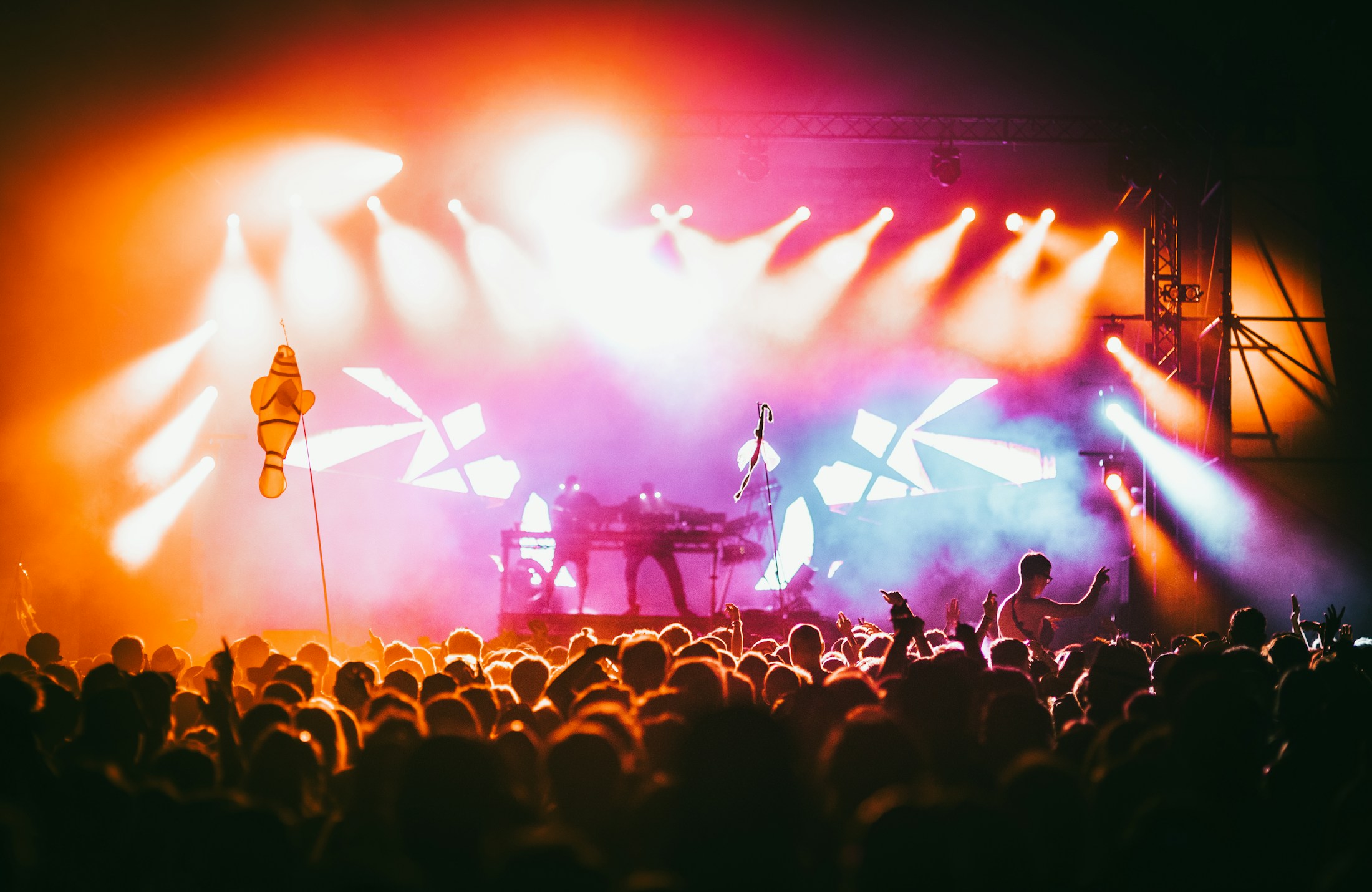
This guide looks at places where underground electronic music has a distinct identity, what makes each scene worth understanding, and how to explore it respectfully. Line-ups, venues and opening arrangements change, so treat the venue links as starting points and check the current programme before travelling.
What makes a music scene underground?
Underground does not simply mean small, obscure or difficult to get into. A strong scene has its own network of artists, promoters, labels, independent spaces and audiences. It gives local talent room to develop, creates nights that are not built entirely around touring headliners, and allows sounds to evolve outside mainstream expectations.
That can mean techno, house, electro, breakbeat, jungle, ambient, experimental electronics or sounds that do not fit neatly into a genre. The most interesting scenes often overlap: a club night might share artists with a community radio station, a record label, a listening bar or an experimental arts space.
Berlin, Germany: a deep ecosystem beyond the famous doors
Berlin’s reputation is deserved, but reducing the city to a handful of famous clubs misses the point. Its electronic music culture is sustained by independent promoters, labels, radio, record shops, studios and smaller venues as much as by internationally recognised institutions.
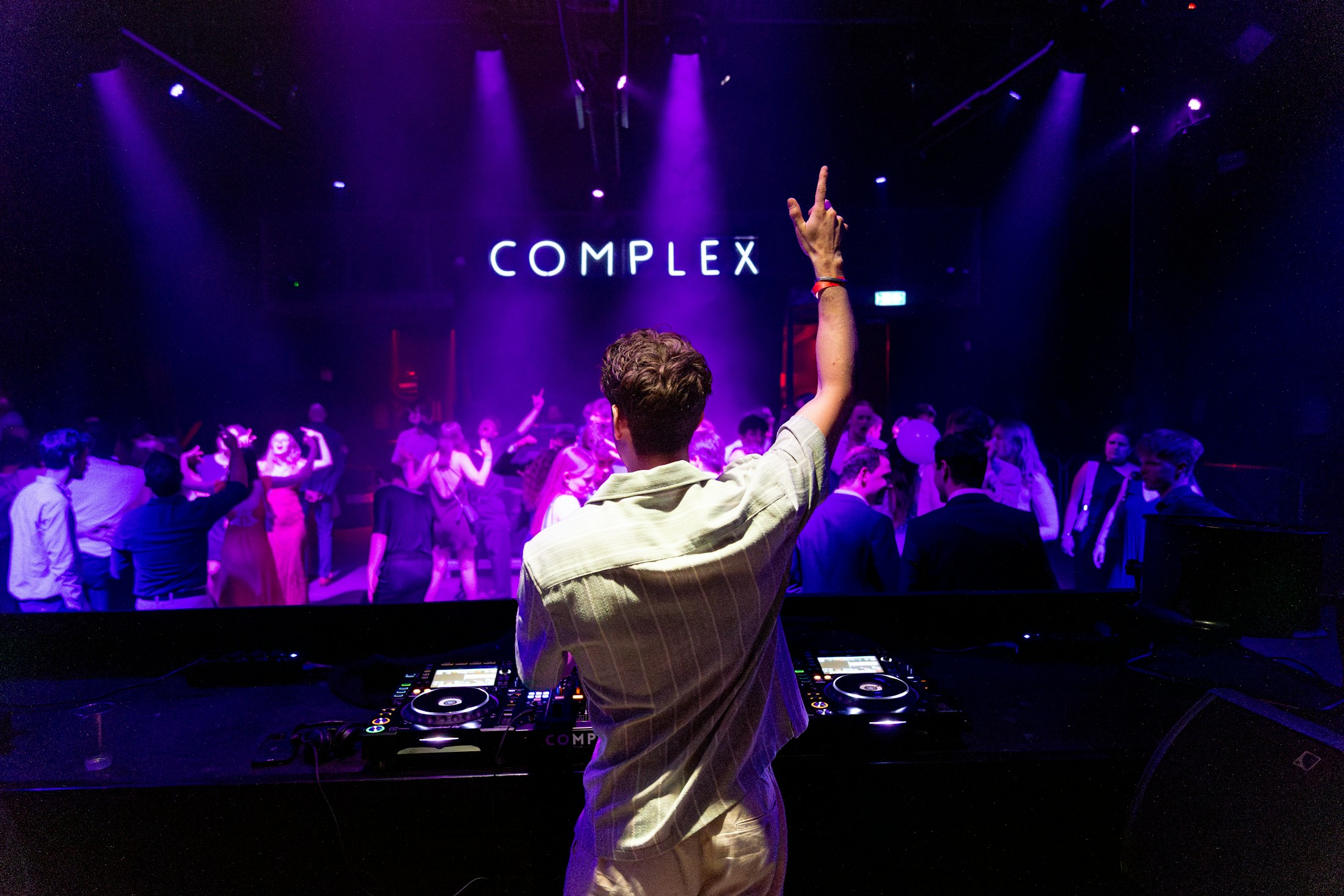
Look beyond the best-known names and follow local collectives, label showcases and genre-specific nights. The value of a Berlin visit is often the range: you can move between stripped-back techno, house, experimental electronics and left-field club music without expecting every night to sound the same.
How to explore: choose a night because of the promoter or local support acts, not just the headline DJ. Check event listings in advance, read each venue’s entry and conduct guidance, and remember that a club’s door policy is not a challenge to be beaten. Respect the space and the people who make it work.
Bristol, United Kingdom: bass culture and restless experimentation
Bristol’s electronic identity is inseparable from its wider sound-system culture. Trip-hop, jungle, drum and bass, dub, soundsystem music and experimental bass have all left their mark. The city’s influence is not a single genre; it is a willingness to let sounds collide.
For visitors, the best route into Bristol is to follow local promoters, independent radio and smaller bills. Look for nights that connect established bass traditions with new producers, live electronics and hybrid DJ sets. The local support on a line-up can tell you more about the city’s current direction than a visiting headliner.
Glasgow, Scotland: a club culture with real musical memory
Glasgow has a long-standing reputation for committed dance floors and adventurous programming. House, techno, disco, electro and experimental club sounds sit alongside a strong live-music culture. The scene is known for audiences who turn up for the music and for local DJs and promoters who have helped shape its identity over decades.
Sub Club is one of the city’s best-known reference points, with an active programme spanning house, techno and other club sounds. Its current listings are a useful way to see how established institutions continue to make room for different promoters and local selectors: Sub Club events.
Rotterdam, Netherlands: industrial edges and forward-thinking club music
Rotterdam offers a different perspective from Amsterdam. Its port-city character, industrial spaces and strong DIY streak have helped create room for harder, stranger and more experimental strands of electronic music. The wider Dutch ecosystem is closely connected, so artists and audiences often move between Rotterdam, Amsterdam and other cities.
Rather than treating Rotterdam as a cheaper alternative to somewhere else, explore it on its own terms. Follow local collectives, independent venues and record labels, and look for events where emerging local artists share a bill with visiting acts.
Brussels, Belgium: a long-running club institution and a changing scene
Brussels has a compact but internationally connected electronic music culture. Its location between several major European scenes makes it a meeting point for touring artists, local collectives and audiences crossing borders. The city’s sound is not limited to one style: techno, house, left-field electronics and experimental club music all have a place.
Fuse, which dates back to 1994, remains an important reference point. Its current programme demonstrates how a long-running club can continue to host both established artists and new voices. Check the official Fuse events calendar before making plans.
Tbilisi, Georgia: a scene shaped by community and resistance
Tbilisi sits at the geographical and cultural crossroads of Europe and Asia, and its electronic scene has become an important international reference. It deserves a place in a wider European underground conversation, while being clear that Georgia is not part of the European Union and the city’s identity cannot be reduced to a clubbing destination.
The scene’s international profile is closely associated with spaces such as Bassiani and KHIDI, but its significance reaches beyond bookings. Community, freedom of expression and the relationship between nightlife and public life have all shaped how the scene is understood. Visitors should learn about the culture and follow venue guidance rather than treating the city as an exotic party stop.
For current programming, see Bassiani’s event listings on Resident Advisor and check the club’s own channels for entry requirements and updates.
Lisbon, Portugal: a broad, open-ended electronic identity
Lisbon’s music culture draws on local communities, international influences and a wide range of sounds. House, techno, disco, afro-electronic styles and experimental club music all appear across the city’s programme. The scene is best approached with curiosity: look beyond a single venue and pay attention to the promoters and artists connecting different audiences.
Lux Frágil is a long-established name in the city’s nightlife, with a programme that moves across electronic styles. Its current events can be followed through Resident Advisor’s Lux Frágil listings. As with any city, check the date, promoter and ticket details directly before travelling.
Bucharest, Romania: minimal, microhouse and a distinct local language
Bucharest is particularly interesting for listeners drawn to minimal house, microhouse and long-form DJ sets. Romanian artists and labels have helped develop a sound recognised well beyond the country, while local nights provide a place for that music to keep evolving.
Do not assume every event will be a showcase of the internationally known Romanian sound. Follow local promoters and smaller line-ups as well as the established names. That is where you are more likely to discover the next generation of artists and the less predictable edges of the scene.
How to find the real local scene in any city
- Follow promoters, not just venues. A trusted local promoter often has a clearer musical identity than a venue that hosts many different nights.
- Look for local support acts. Arrive early and listen to the artists who live and work in the city.
- Use event platforms as a starting point. Resident Advisor is useful for electronic music listings, but local radio, record shops and community pages can reveal smaller events.
- Explore record shops and independent radio. These places often connect listeners with labels, DJs, producers and events.
- Respect the room. Follow photography rules, consent policies, accessibility guidance and the venue’s code of conduct.
- Check before you travel. Clubs close, move, change ownership or alter their programme. Confirm the current event and ticket details with the venue or promoter.
Plan a music-led trip, not just a night out
A worthwhile music trip leaves space for discovery. Spend time in record shops, independent cafés, rehearsal spaces and neighbourhood venues. Ask local people what nights they recommend, support the artists you discover, and avoid trying to turn a living scene into a checklist of famous club entrances.
For a wider travel overview, read our guide to the world’s great music cities. If your aim is to meet collaborators as well as hear new music, our guide to where to meet musicians and find collaborators is a useful companion.
Keep following the underground
The best underground electronic music scenes are not necessarily the biggest or most heavily promoted. They are the places where local artists can experiment, where independent promoters take risks and where audiences care about more than the name at the top of a poster. Europe has many of them. The best way to experience one is to listen closely, stay curious and support the people who keep it alive.