
BURNT HOUSE / SOUND DESIGN / SAMPLING
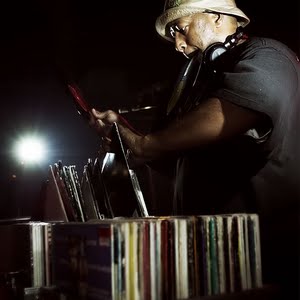
A sample can be a drum hit, a voice, a fragment of an old record, a field recording or a sound captured on a phone. What makes sampling interesting is not the source alone, but the way a producer changes its context. A tiny fragment can become a groove, a harmonic bed or the emotional centre of a track.
Listen for potential, not just finished loops
Good sample material does not always arrive as a polished loop. A breath, a room sound, a single chord, a broken rhythm or a short vocal phrase may contain more character than a perfectly arranged construction kit. Listen for texture, timing, pitch and emotional quality. Ask what the sound could become if its original purpose disappeared.
Chop with musical intention
Chopping can create new rhythms and phrases, but random slicing is not automatically creative. Try cutting at transients, syllables, chord changes or moments of silence. Rearrange the fragments and see whether a new musical statement emerges. Keep the original recording nearby so you can compare the source with the transformation.
Pitch and time are compositional tools
Pitch-shifting a sample can change its mood and place it in a new harmonic context. Time-stretching can make a short sound into a texture or make a phrase fit a different tempo. Extreme processing can create artifacts; sometimes those artifacts are part of the character. Decide whether the result supports the track.
Resample and build in stages
Resampling turns a chain of edits into a new audio source. This can simplify a complex sound and create opportunities for further manipulation. Keep earlier versions if you may need to revisit the process. Name the printed files clearly so a project does not become a collection of anonymous audio clips.
Make samples serve the arrangement
A sample can provide rhythm, harmony, atmosphere or a hook. If it is competing with the vocal or masking the bass, change its role. Filter, shorten, automate or move it to a different section. The sample should earn its place just like any other instrument.
Understand rights and clearances
Sampling a commercially released recording can involve rights in both the master recording and the underlying composition. A loop-library licence may grant specific permissions, but the terms vary. A sample being available online does not mean it is free to use commercially. Keep licence records and obtain permission where required. If the source cannot be cleared, consider creating an original recording or using properly licensed material.
Further reading
Explore our articles on production and arrangement and music rights and royalties.
Capture your own source material
A phone recorder, handheld recorder or microphone can provide original material that is not tied to somebody else’s commercial recording. Record room tones, machinery, objects, instruments, voices and environmental textures with permission where people or private spaces are involved. Make several recordings at different distances and perspectives. The small differences in space and movement often become the most useful part of the sample.
Build a sample through a series of transformations
Try a simple sequence: trim the source, find a useful transient or phrase, change its pitch, process it, then resample the result. Reverse a fragment, stretch a tail or layer it with a synthesised tone. Keep a copy at each meaningful stage so you can return to an earlier version. Print only when the sound has a clear role or when committing the processing helps you work faster.
Keep the groove musical
When chopping a phrase into a new rhythm, pay attention to the natural accents and gaps in the source. Move slices to create a deliberate pattern, then vary velocity, length and timing. A loop can feel human because the source contains a real performance, but careless edits can remove the very movement that made it interesting. Compare the rearranged phrase with the original and decide what should remain recognisable.
Document permissions as carefully as sound design
Keep the original source, the date and place of recording, the licence or permission and any restrictions alongside the finished sample. For commercial recordings, investigate both the sound recording and composition rights; for sample libraries, read the actual licence rather than relying on a product description. If a collaborator supplies a recording, agree in writing how it may be edited, released and credited.