
BURNT HOUSE / PRODUCER DEVELOPMENT / CAREER
A producer’s portfolio should answer a simple question: what can you do for the music? A long list of plugins, instruments and studio equipment may show what you own, but it does not show how you think, how you work with artists or what your finished records sound like.
Lead with finished work
Choose a small number of strong examples that represent the work you want to do more often. A portfolio with five carefully selected tracks is usually more useful than a long list of unfinished demos. Include different strengths if they are relevant: production, recording, arrangement, sound design or mixing.
Explain your contribution accurately. If you produced the instrumental but did not mix the final master, say so. If you co-produced, credit the other producer. Clear credits build trust and help potential collaborators understand what you actually delivered.
Show range without looking unfocused
Range can be valuable, but a portfolio should still have a centre. Organise work into a few categories or playlists so a singer looking for vocal production does not have to search through unrelated sound design experiments. If you work across several genres, explain the common thread in your approach.
Use process examples
Short breakdowns can show how you solve problems. A before-and-after example might demonstrate how arrangement, sound selection or vocal editing changed a track. Explain the decision rather than simply listing processors. Do not reveal confidential client material or use another artist’s work without permission.
Make it easy to contact you
Include a concise biography, location or remote-work availability, the services you offer and a clear contact method. If you have a preferred way of receiving demos, explain it. State realistic turnaround times and avoid promising outcomes you cannot control.
Keep the portfolio current
Review it every few months. Remove work that no longer represents your standard, update broken links and add new projects when they are ready. Ask a trusted artist or engineer to navigate the page and tell you whether the information is clear.
Do not confuse equipment with value
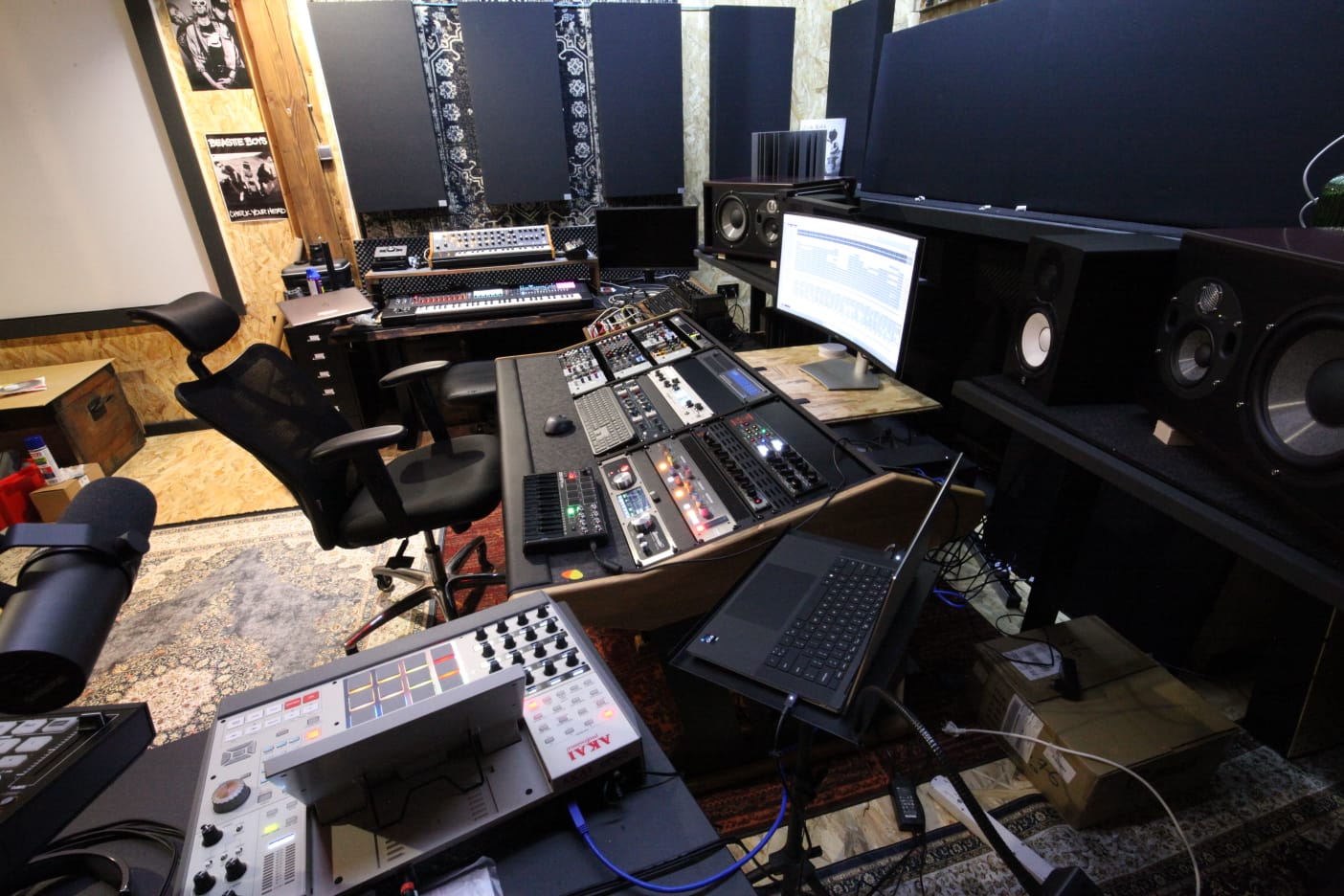
Studio gear can be relevant when a client needs a particular recording environment, but the equipment list should not replace examples of judgement and musical results. A producer’s value is in the decisions, communication and finished work. Show how the tools serve that work.
Further reading
Read our guide to becoming a music producer and our article on recording studio costs.
Structure the portfolio around the person visiting
A vocalist looking for production needs to hear vocal-led work quickly. A label considering an electronic project may want finished tracks, credits and a short explanation of the sound. A studio client may need recording examples, room information and a straightforward enquiry route. Put the most relevant work near the top and avoid making visitors search through a long biography to find the music.
Write useful project notes
For each selected project, include the artist or project name where permission allows, the release or track title, your exact role and a short explanation of the challenge. Describe the decisions you made: building an arrangement around a vocal, creating a coherent sound palette, recording a live ensemble or preparing stems for a mix engineer. Avoid vague claims such as “industry standard” or “next level”. Let the audio demonstrate the result.
Make permissions and credits part of the process
Check that you have permission to share the audio, artwork, video and client name. Some commissioned or unreleased work may be confidential. If you cannot share the full track, ask whether a short excerpt, anonymised case study or private link is acceptable. Credit collaborators accurately and link to their work where appropriate. A portfolio should demonstrate professionalism as well as sound.